The people behind the objects.
We never sell a thing without its maker. These are the workshops, ateliers and growers across Iran whose work fills the gallery — where they come from, where they live, and what they care about.
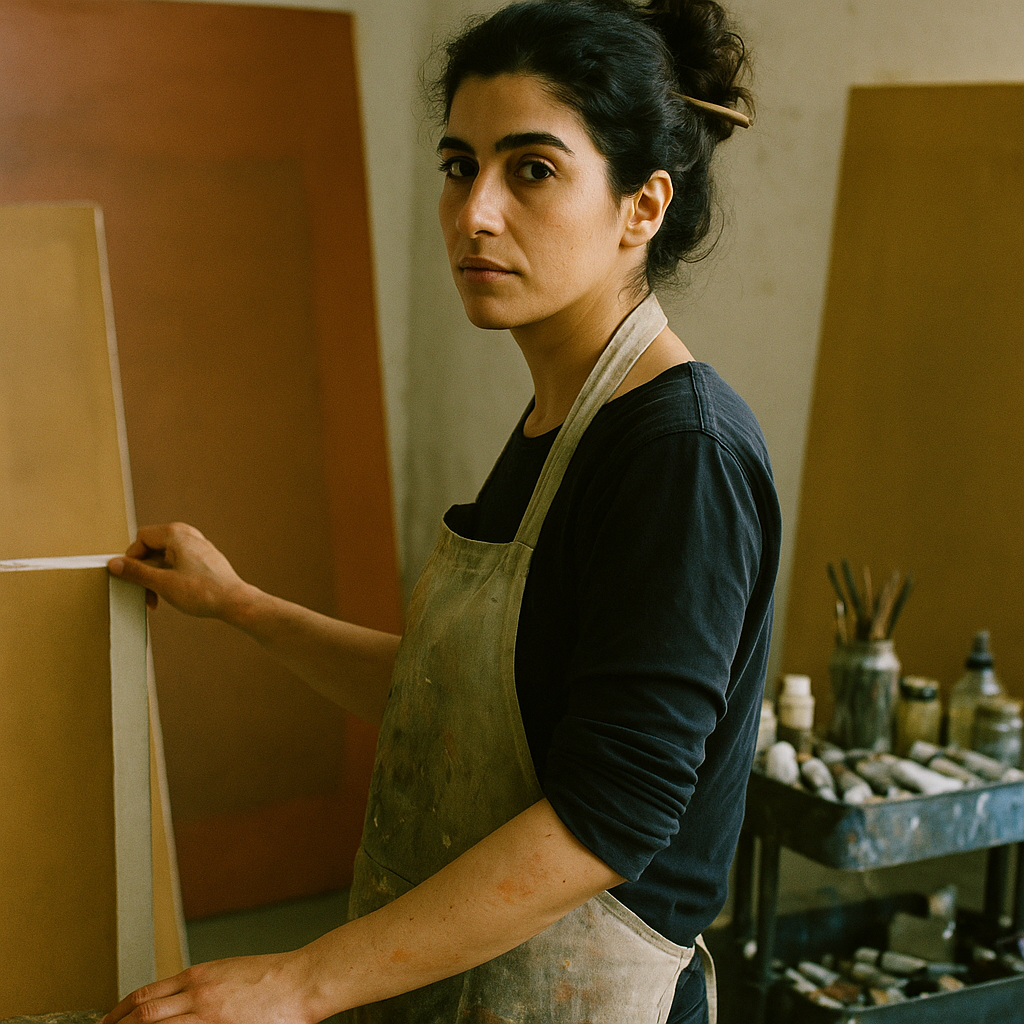
Roya
A painter working between Tehran and Berlin, drawing the city she left and the one she lives in.
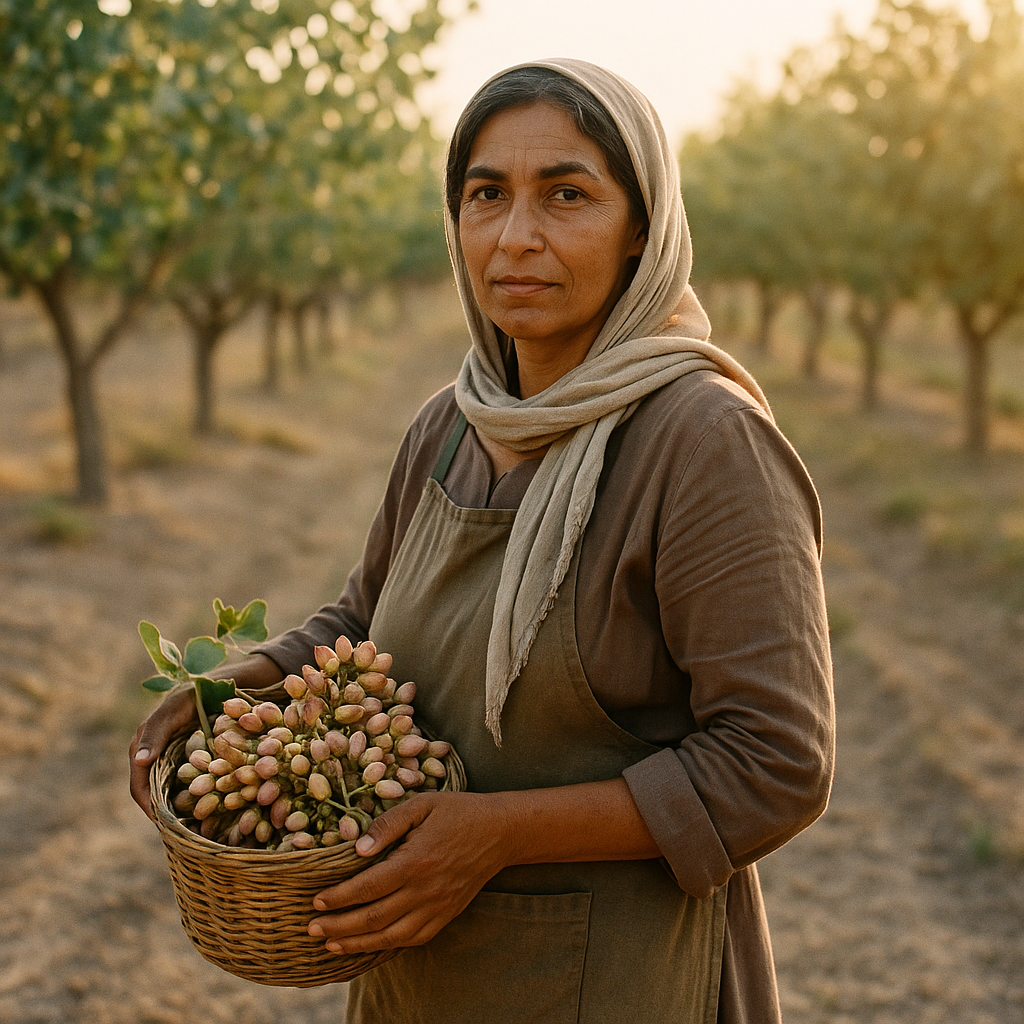
Sahar
A food producer in Kerman whose pistachios reach the EU through a certified, screened exporter.
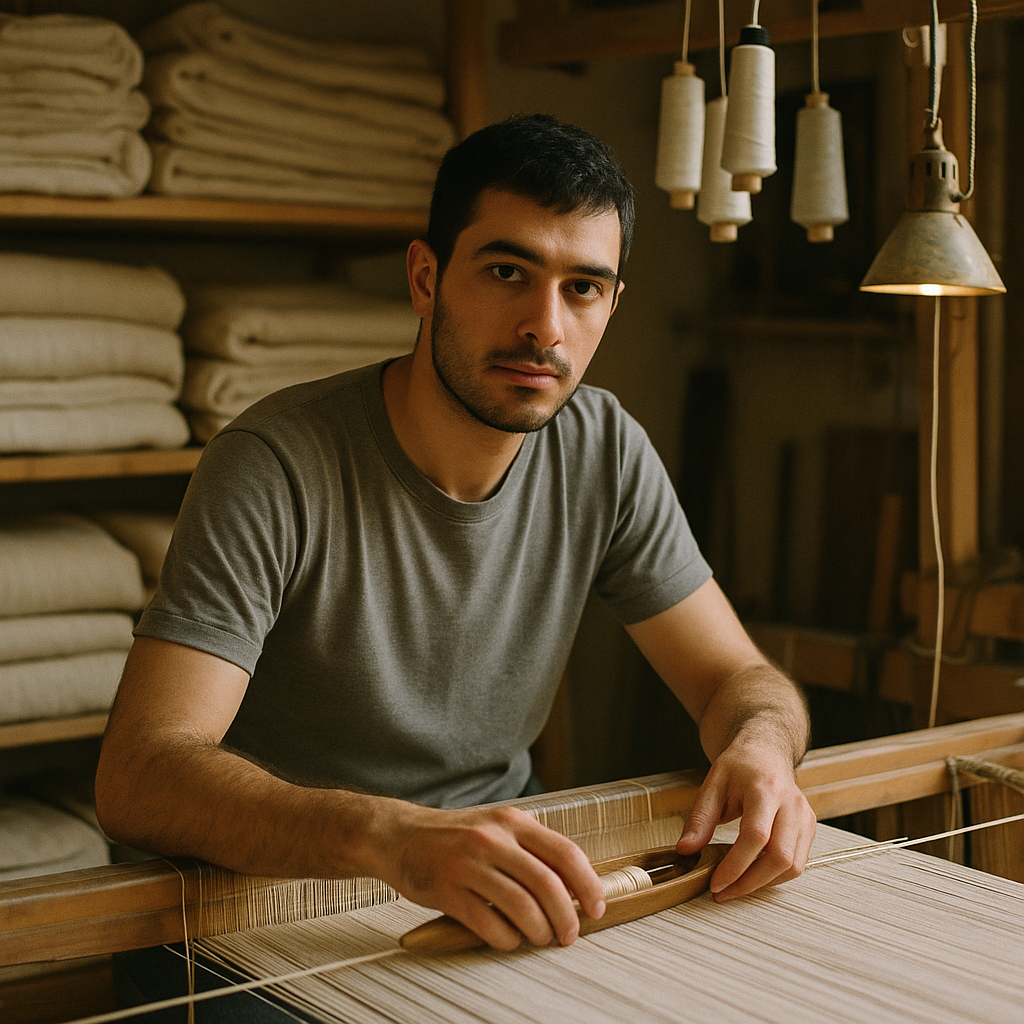
Dara
A textile maker in Iran, reached and lawfully paid through a screened gallery intermediary outside the country.
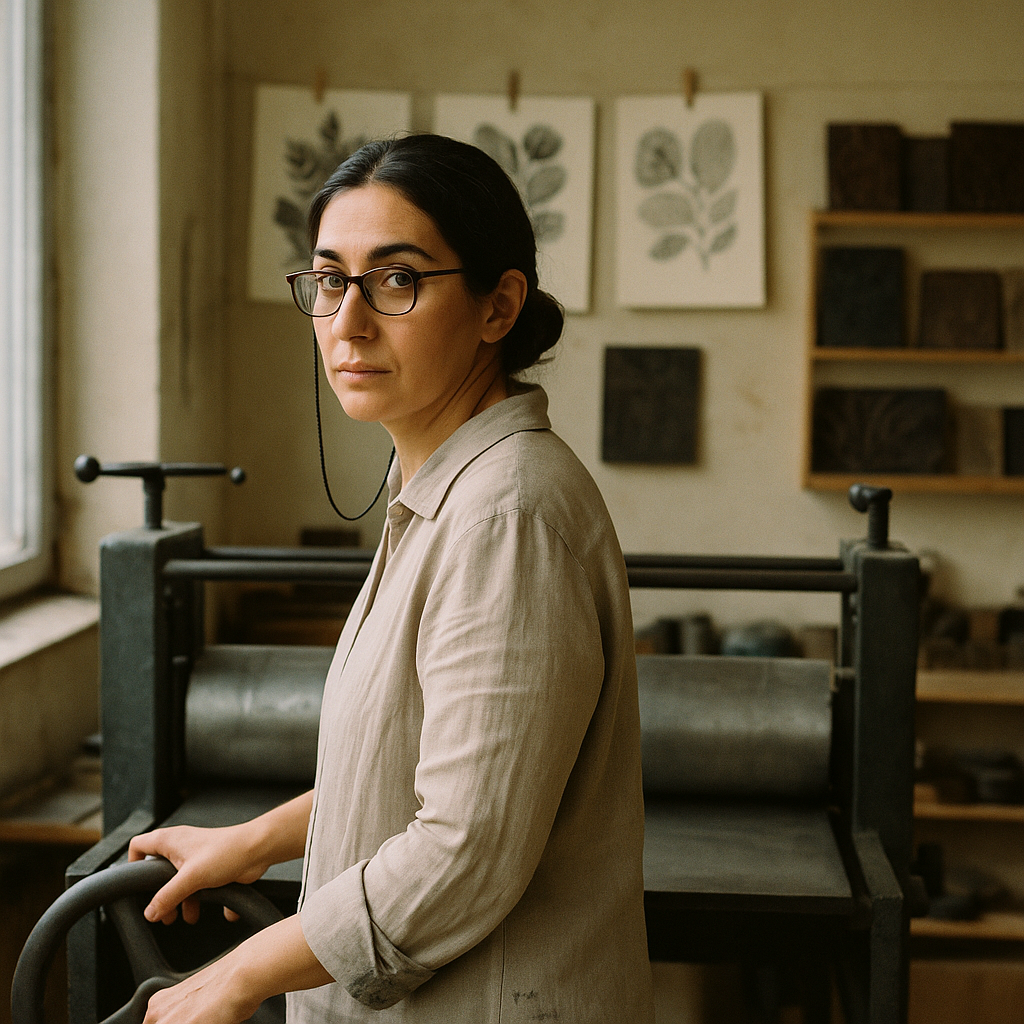
Leila
A printmaker drawing on Persian botanical motifs, working from her studio in the Hamburg diaspora.
Tania Fiuzie
Tania Fiuzie makes furniture the slow way, one piece at a time, in a small EU atelier where the loudest sound is usually a hand plane. What sets her work apart is simple: she works her own walnut — timber she owns, designs around, and shapes entirely by her own hands, from rough board to signed surface. She came to it through family: her grandparents' orchards held old Persian walnut trees, Juglans regia, and some of that wood — lawfully hers, gifted and inherited, milled and dried over years — still passes through her hands today, the clean route by which Persian walnut reaches her with no money ever flowing to Iran. Alongside it she selects European and American black walnut board by board. She cuts her own joints and signs nothing she would not keep herself. One of the people who built this house, she would still rather talk about the wood. Her pieces are made to be used hard and handed on: gallery-worthy in their making, built for a life of dinners, letters, and long ordinary evenings.
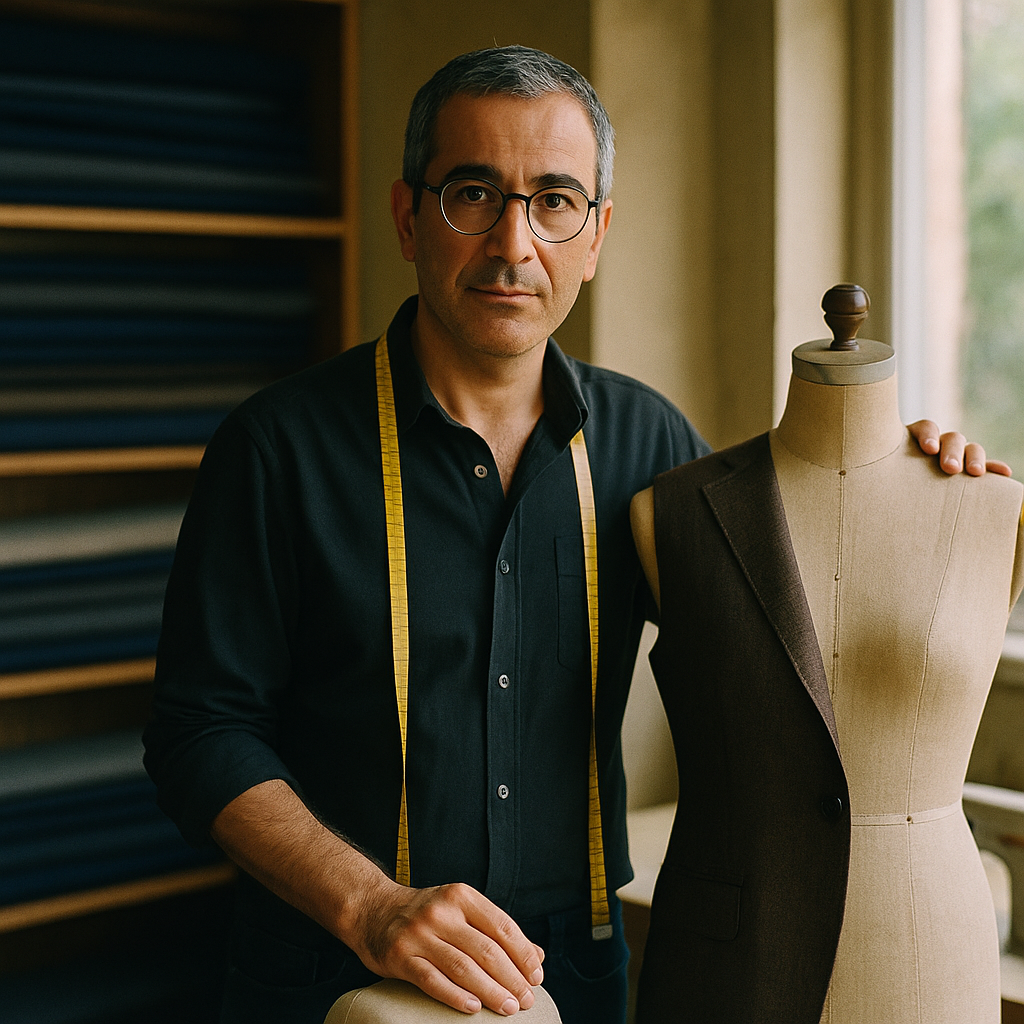
Sāya Atelier
Sāya Atelier works from a light-filled workshop off a quiet lane in northern Tehran, where founder Kaveh Naderi has spent two decades turning cloth into considered clothing. Trained between the city's old tailoring houses and years abroad, Kaveh builds each collection around drape, weight, and the way a garment ages. He works with a small permanent team — a pattern cutter, three machinists, a finisher, and a dyer — most of whom have been with him for years. Wool is milled and knitted in the region; silk is woven nearby. Sāya means shade in Persian: the cool, generous kind. The pieces are made in Tehran and reach Europe through a licensed export partner.
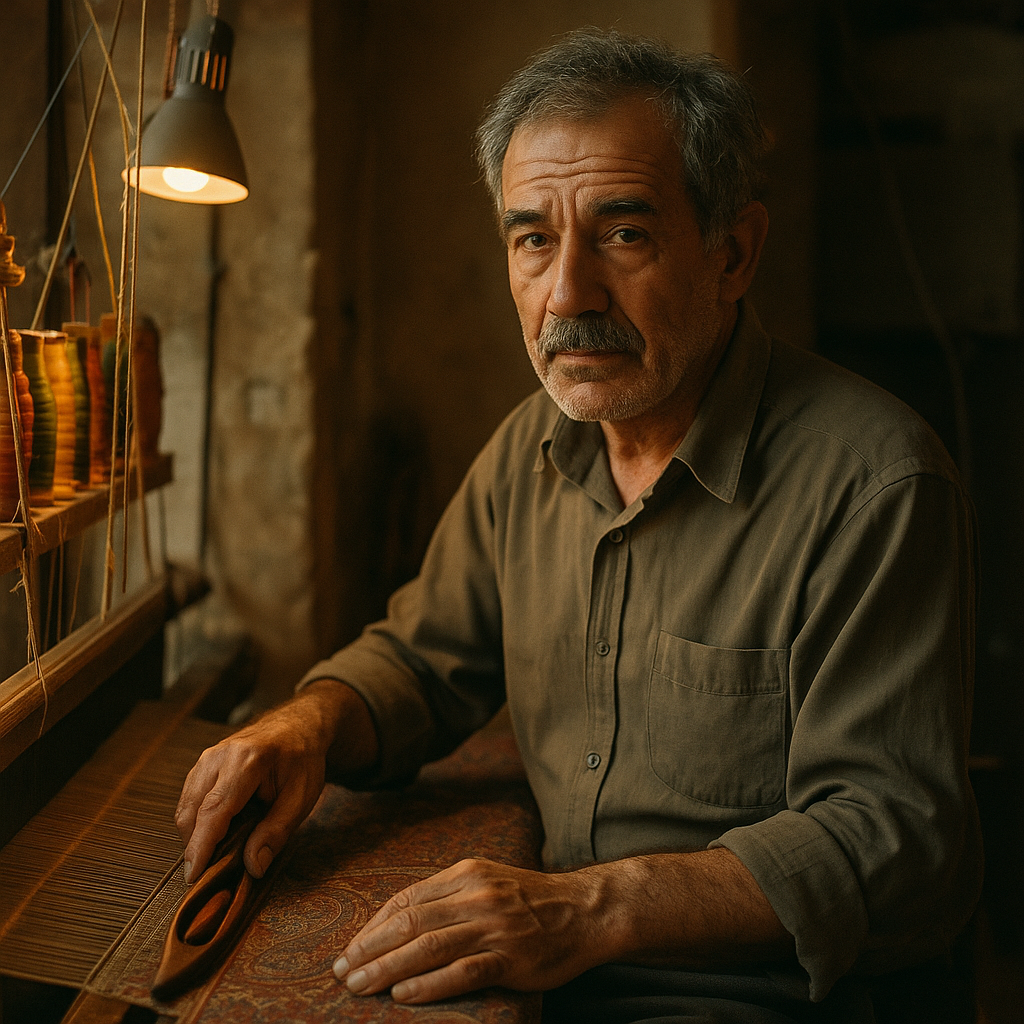
Termeh Workshop
In Yazd, the Termeh Workshop has woven silk-brocade termeh for three generations — the boteh pattern that gives festival dress its signature drape, still set on a hand-loom before it becomes a garment.
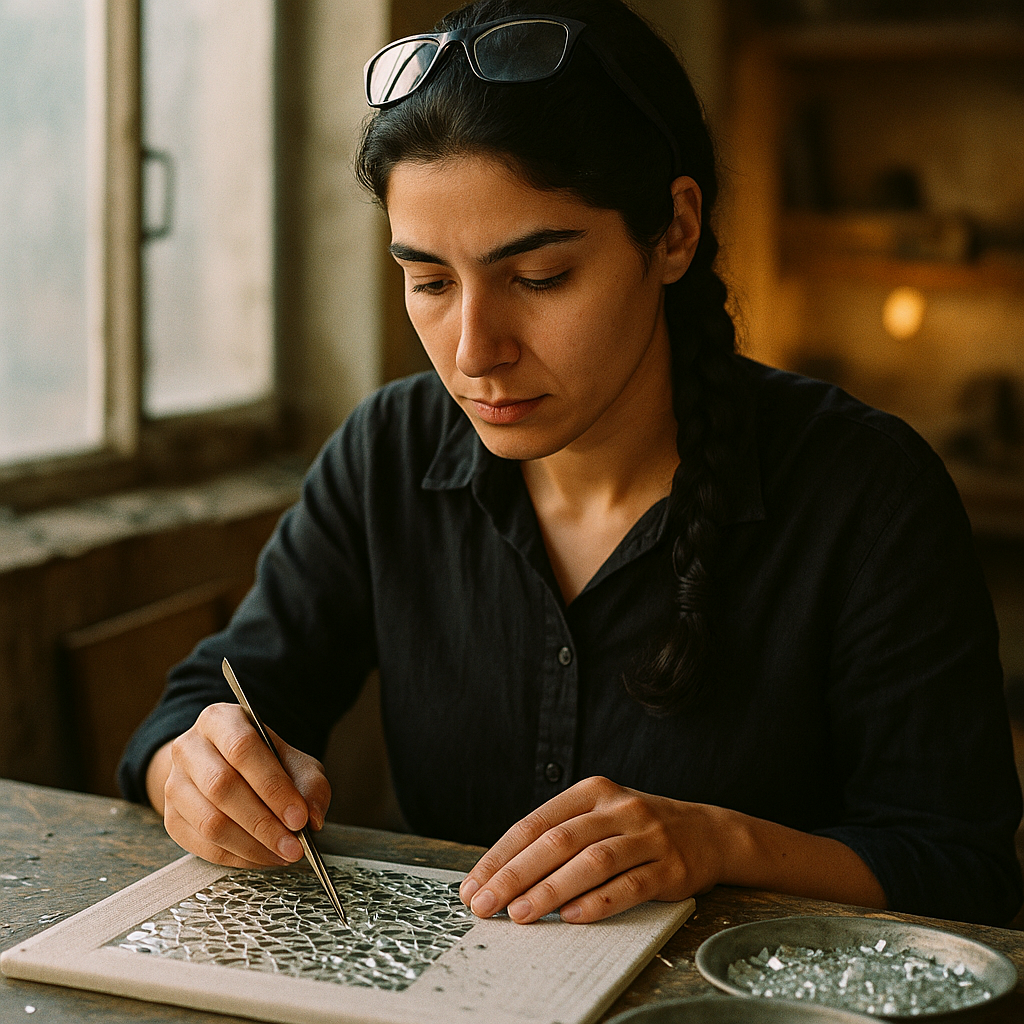
Ayeneh Studio
Āyeneh — mirror — is Ayeneh Studio's craft: the hand-set mosaic technique used across Persian shrines, brought down in scale and set instead into festival cotton.
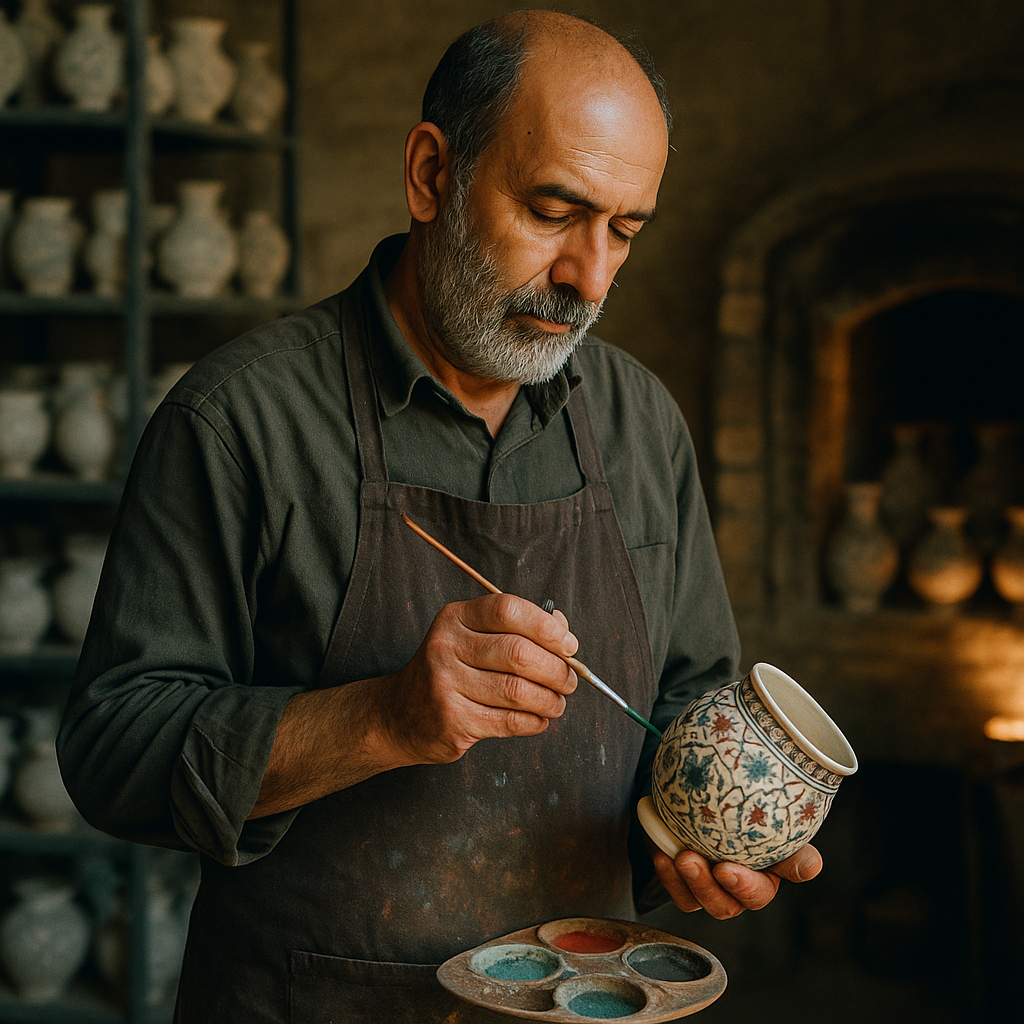
Kashan Atelier
Kashan Atelier keeps alive minai — a seven-colour over-glaze enamel technique that predates oil paint — on stonepaste fired in the city that gave ceramics its Persian name.
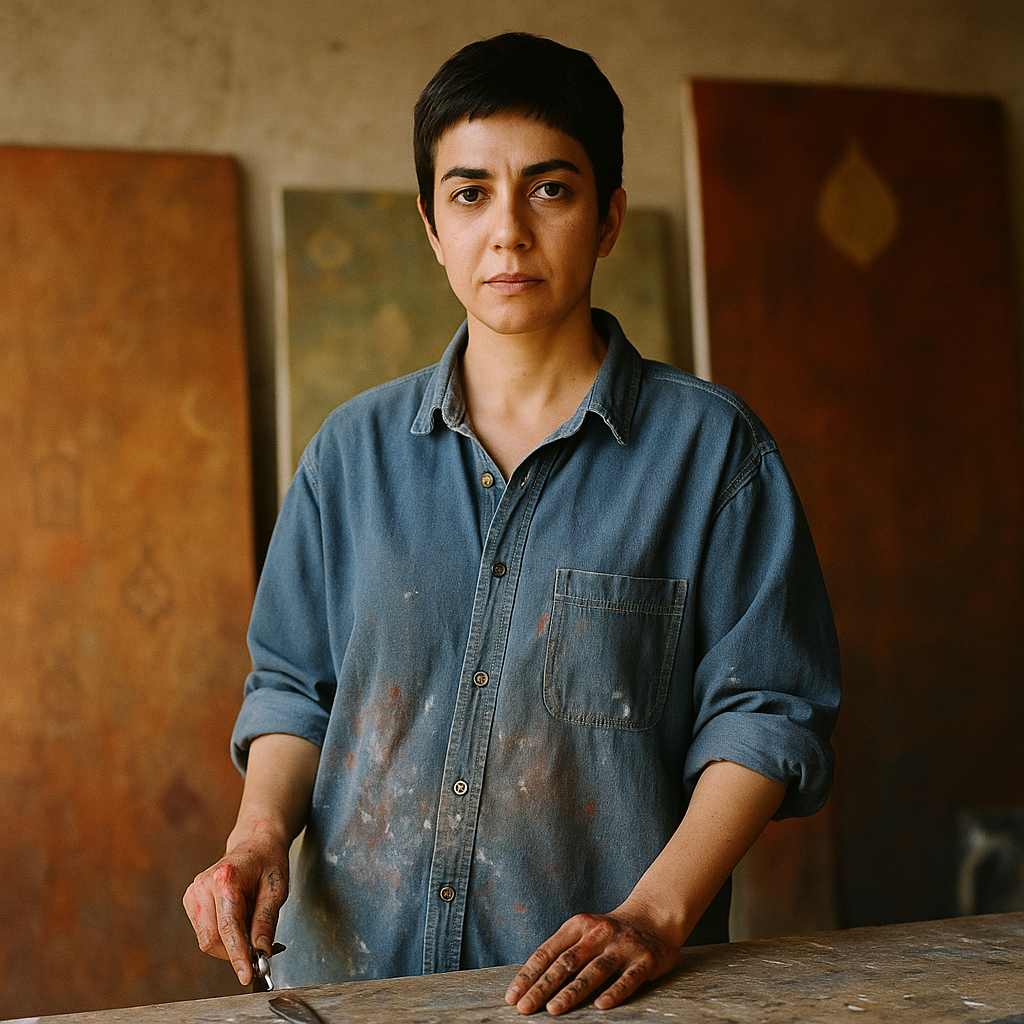
Studio Naghmeh D.
Studio Naghmeh D. works from Tehran in the lineage of the Saqqakhaneh movement — sacred vernacular form pushed into contemporary abstraction, one field of colour at a time.
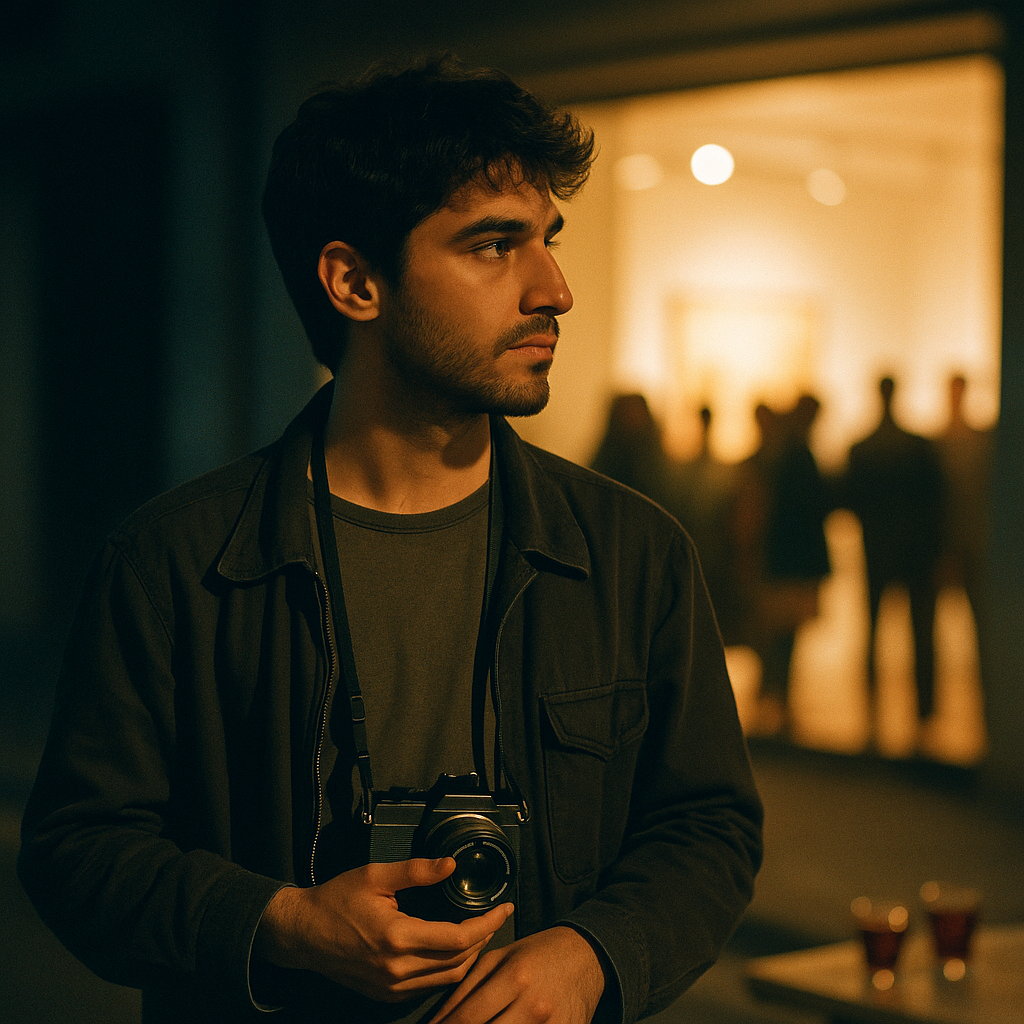
Sohrab N.
Sohrab N. photographs Tehran's gallery openings from across the street — the crowd, the tea glasses, the city that keeps showing up for art on a Friday night.
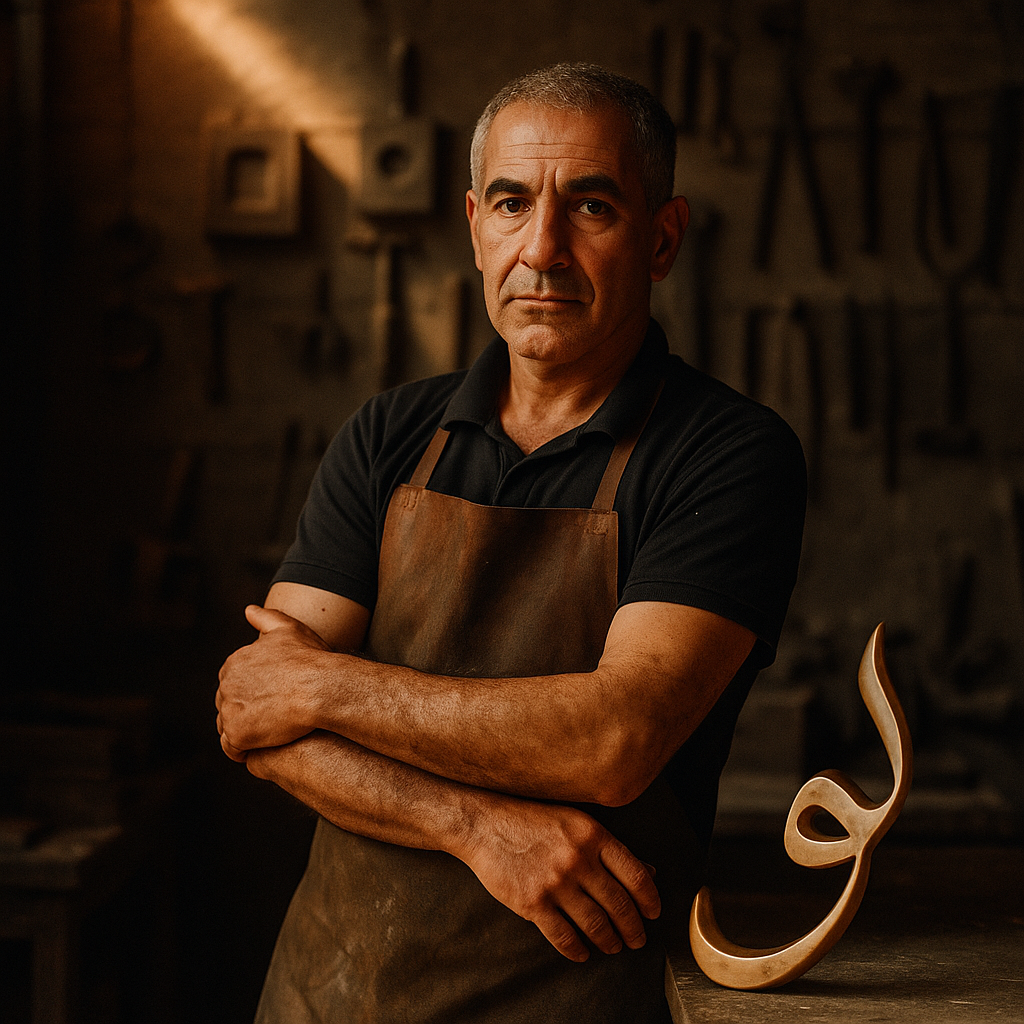
Tehran Foundry
Tehran Foundry casts calligraphic form in bronze — single letters lifted out of a line of nastaliq script and given weight, so the eye reads them as a body before it reads them as a word.
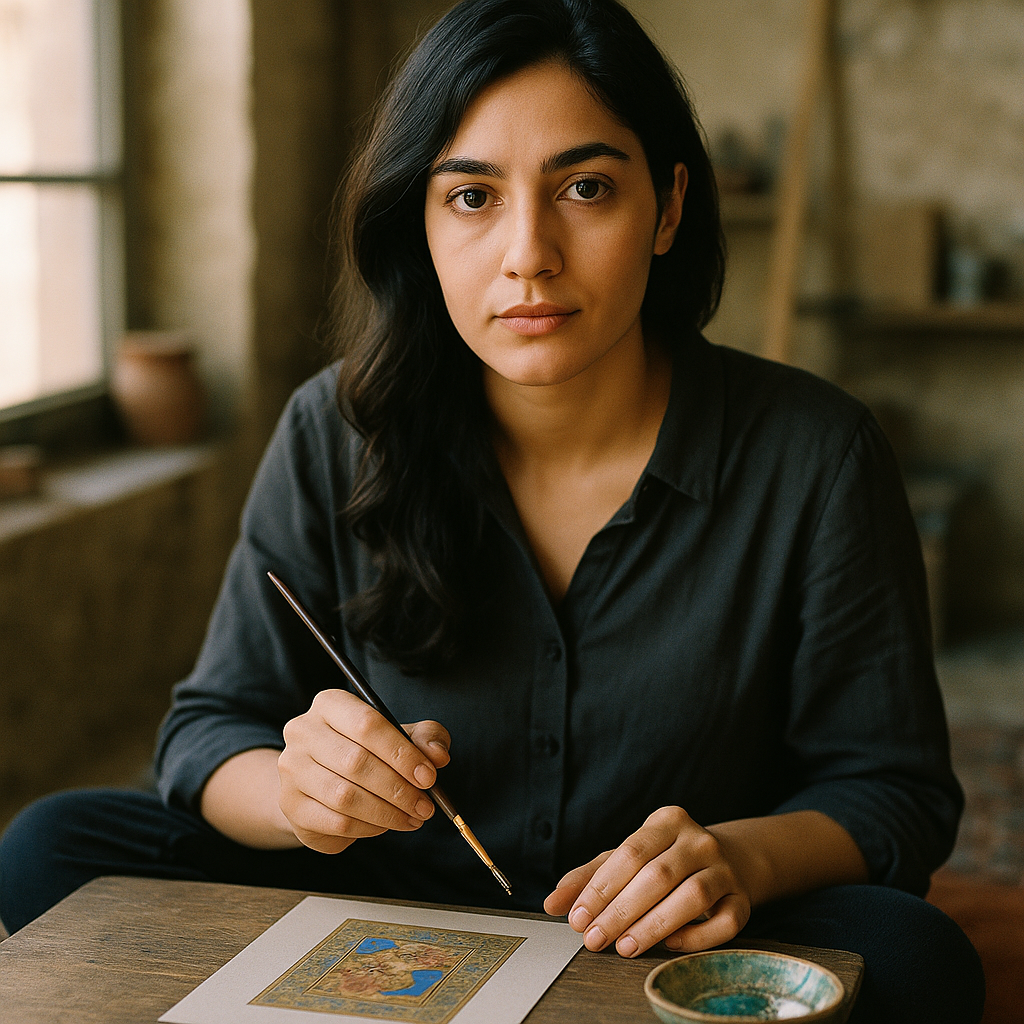
Studio Parisa H.
Studio Parisa H. paints from Shiraz in the neo-miniature tradition — the old technique of gouache and gold leaf on wasli paper, turned toward subjects the miniaturists never had to draw.
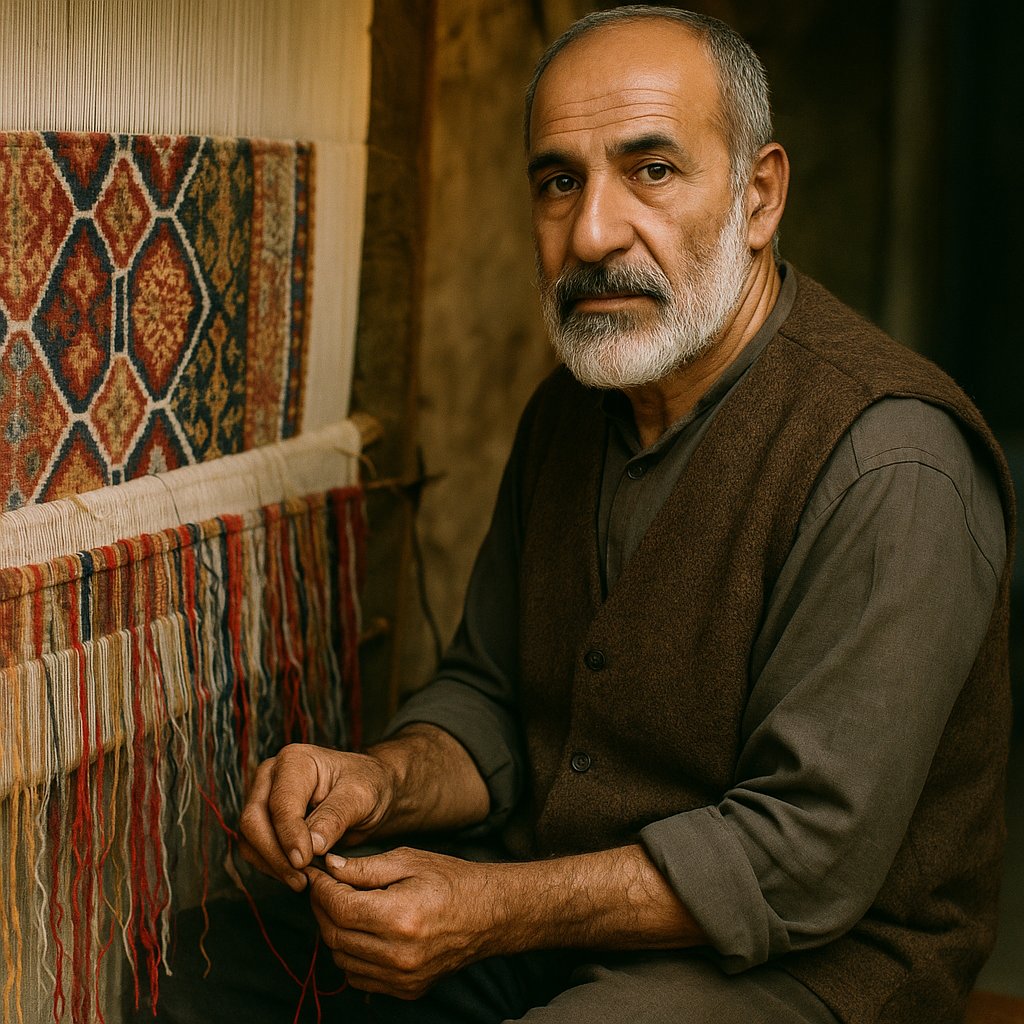
Workshop of Reza M.
Reza M.'s workshop in Isfahan is two generations deep in hand-knotting — lattice patterns drawn from Bakhtiari nomadic memory, each runner still made on the same looms his father used.
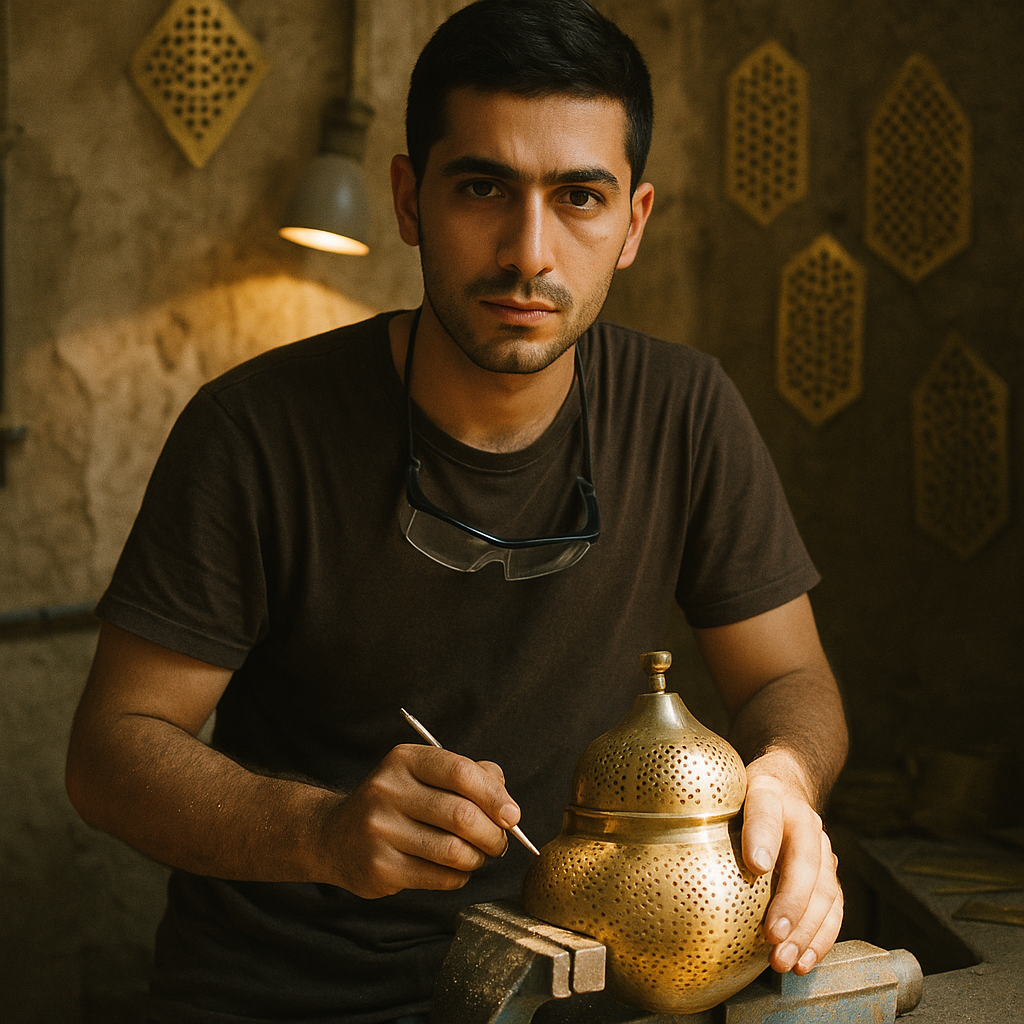
Atelier Yazd
Atelier Yazd hand-pierces spun brass so light falls through in a thousand points — a modern lantern shape carrying an old desert-city technique.
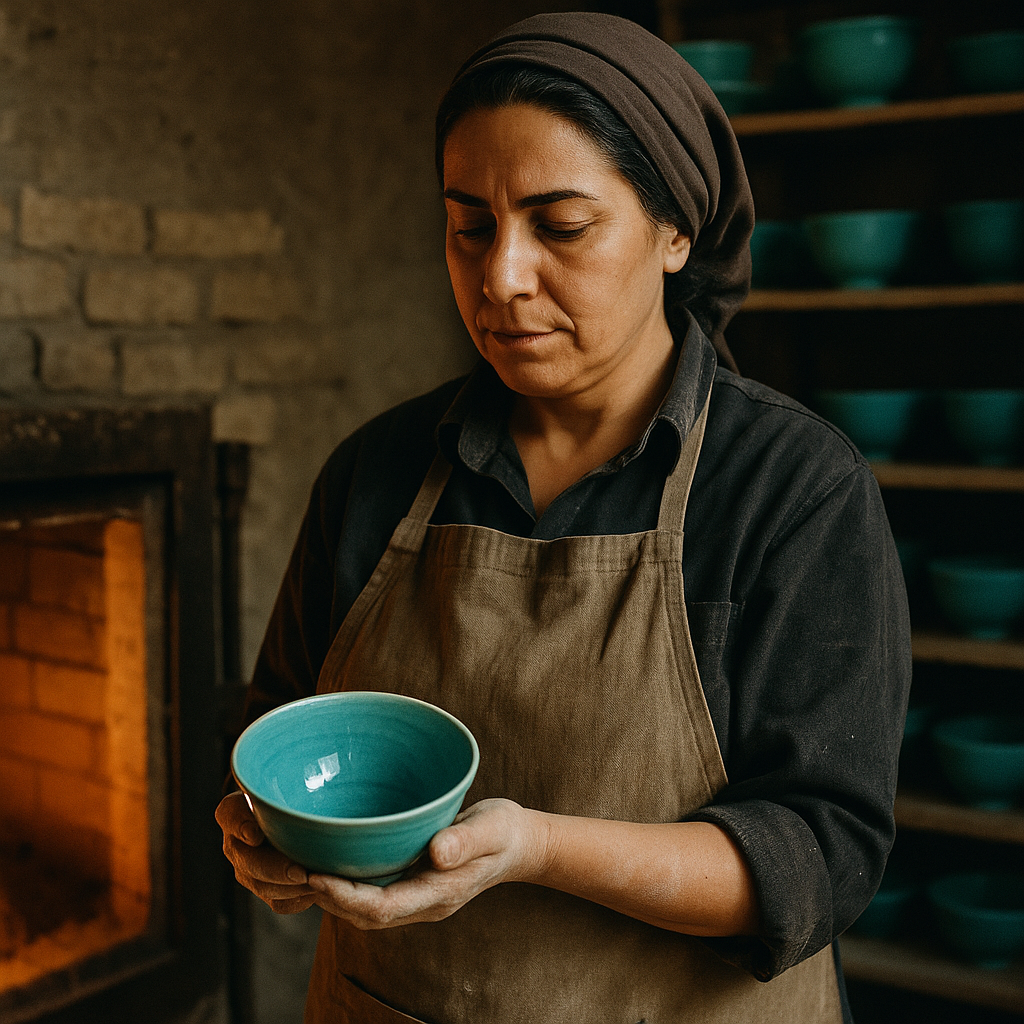
Neyshabur Kiln
The Neyshabur Kiln glazes earthenware in firouzeh — the turquoise that takes its name from this region — a colour mined and fired here long before it had a name anywhere else.
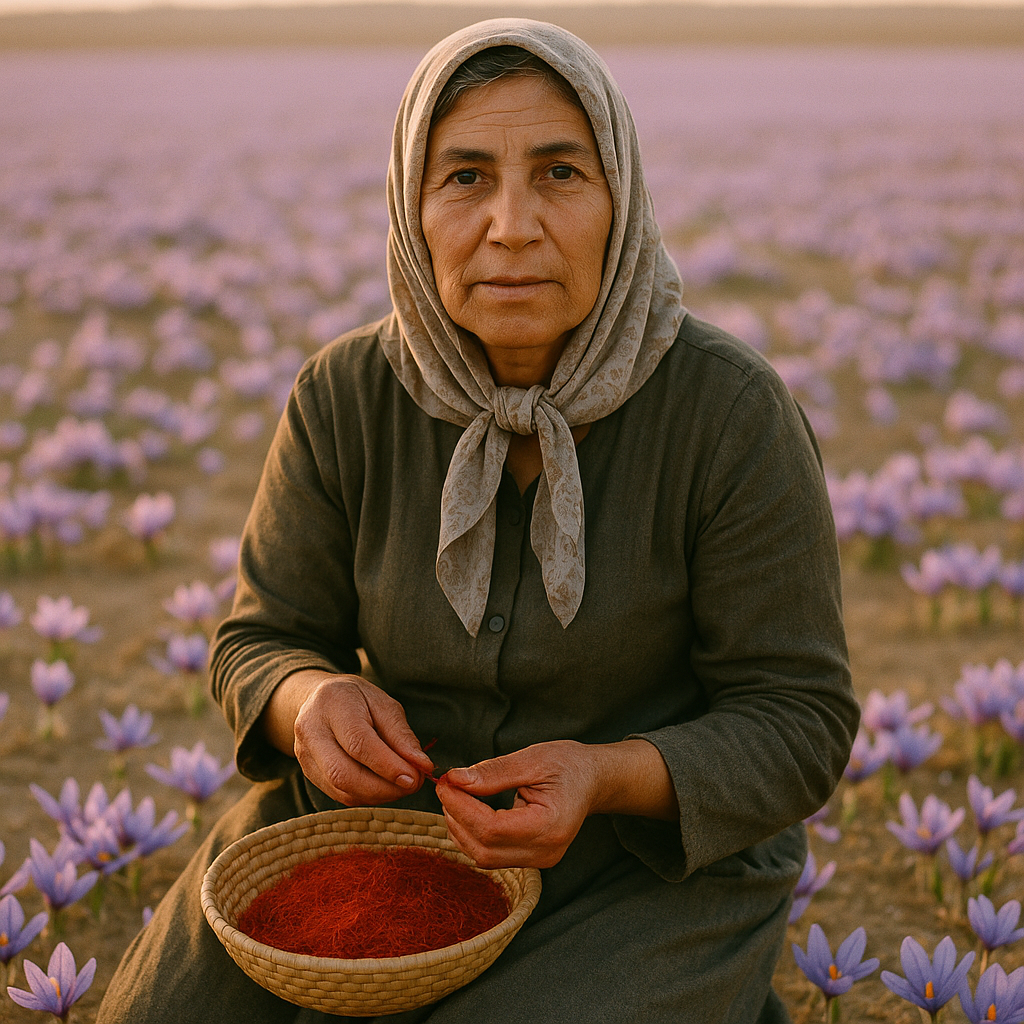
Qaen Growers
Qaen Growers hand-harvest only the red tips of the crocus — sargol, the highest saffron grade — from the fields of Khorasan, where most of the world's saffron is grown.
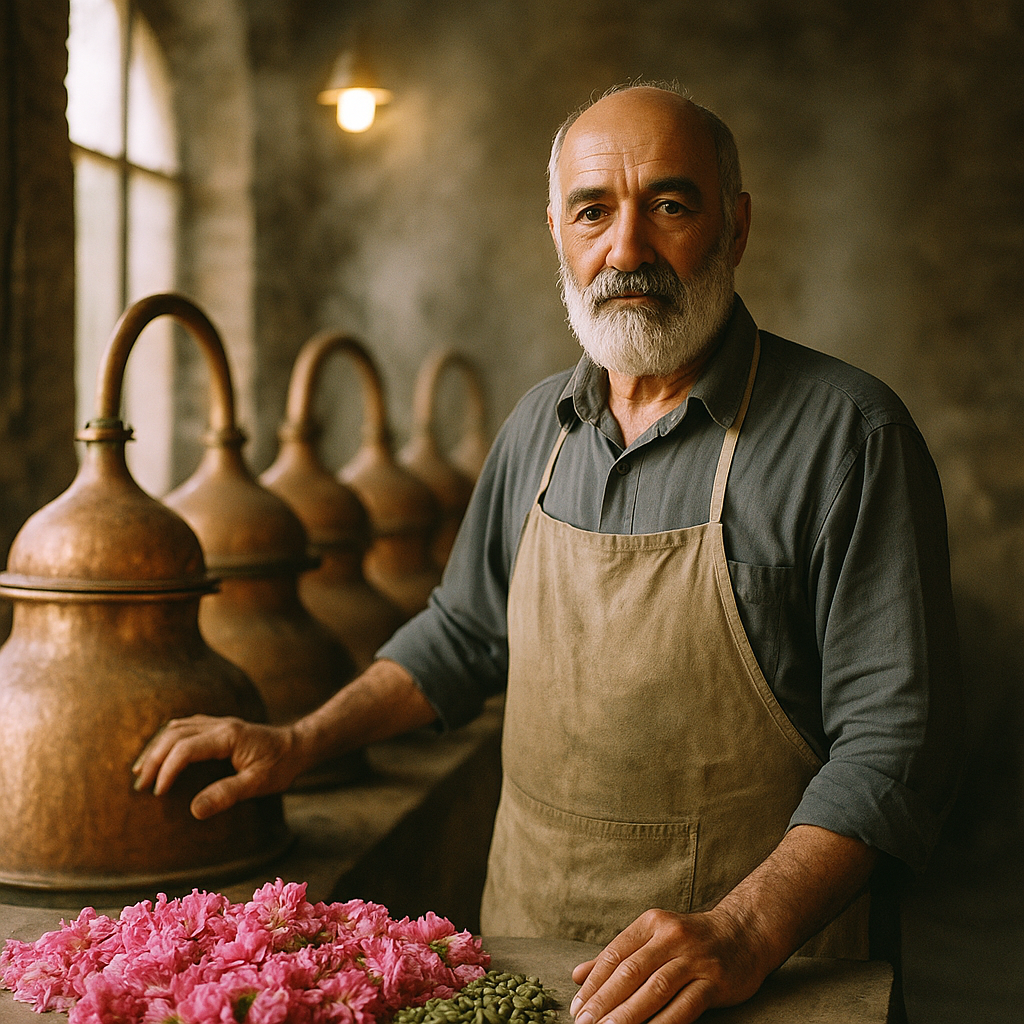
Kashan Distillery
The Kashan Distillery captures the two defining scents of a Persian kitchen — rosewater distilled each spring during the rose harvest, and green cardamom sold alongside it.
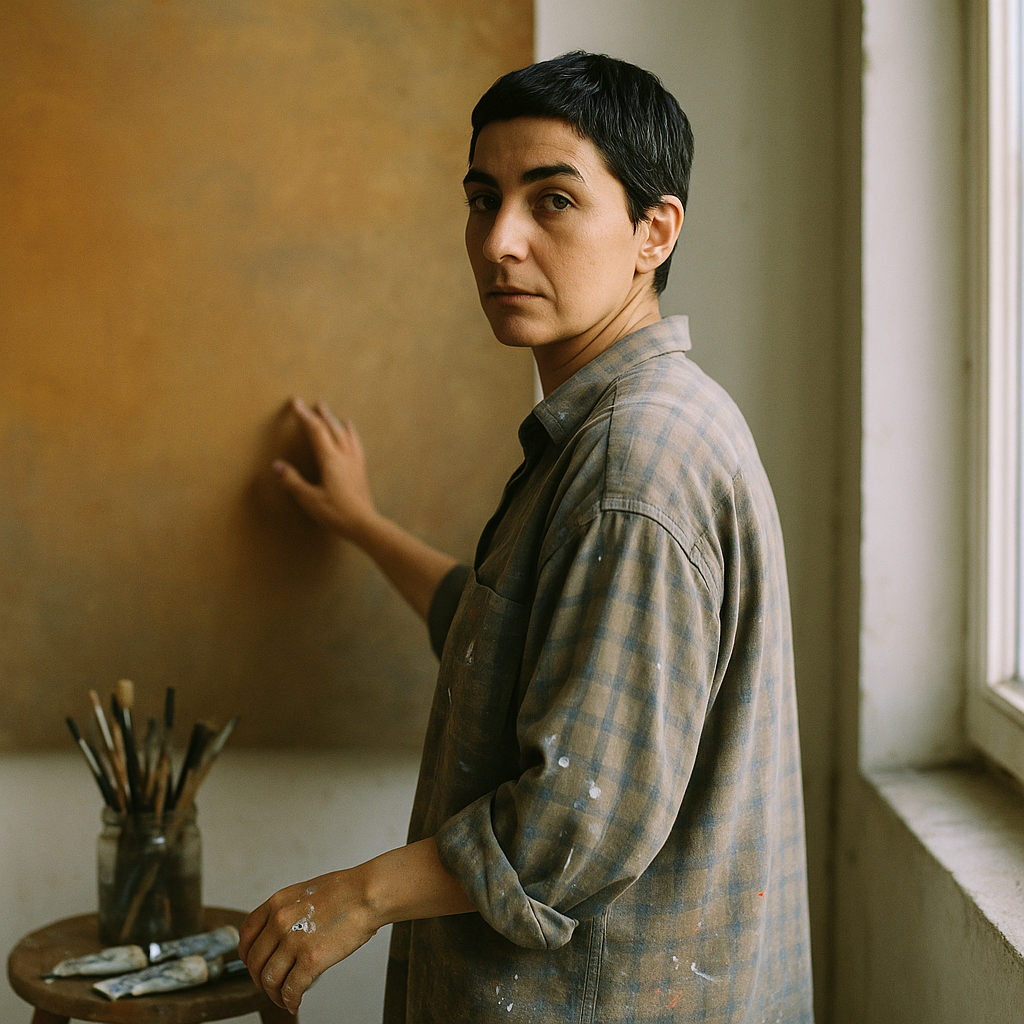
Mahsa Radan
Mahsa Radan left Tehran for Berlin at nineteen and has painted large, unpeopled colour fields ever since — canvases she describes as "letters I never finished addressing."
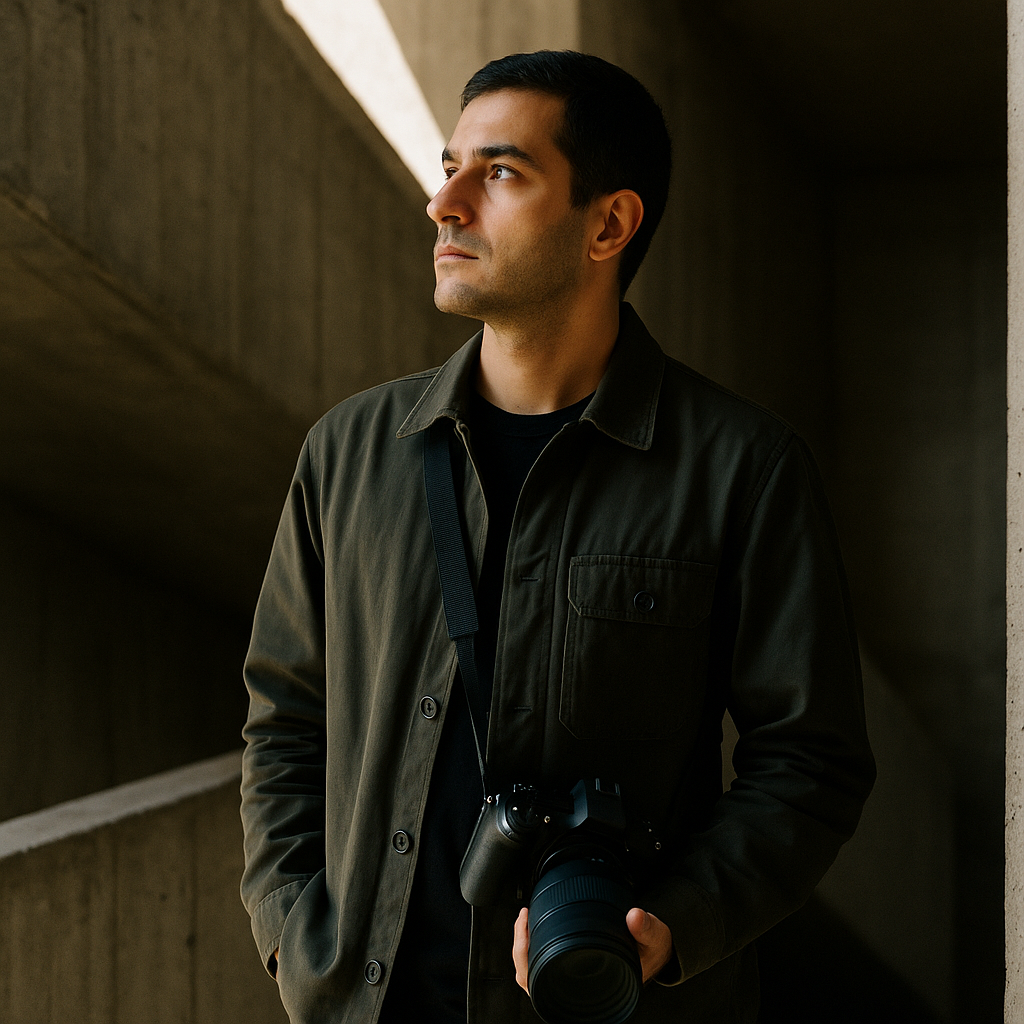
Kourosh Etemad
Kourosh Etemad photographs Tehran's Brutalist-era infrastructure — stairwells, underpasses, the concrete channels that still trace the city's ancient qanat water lines underground.
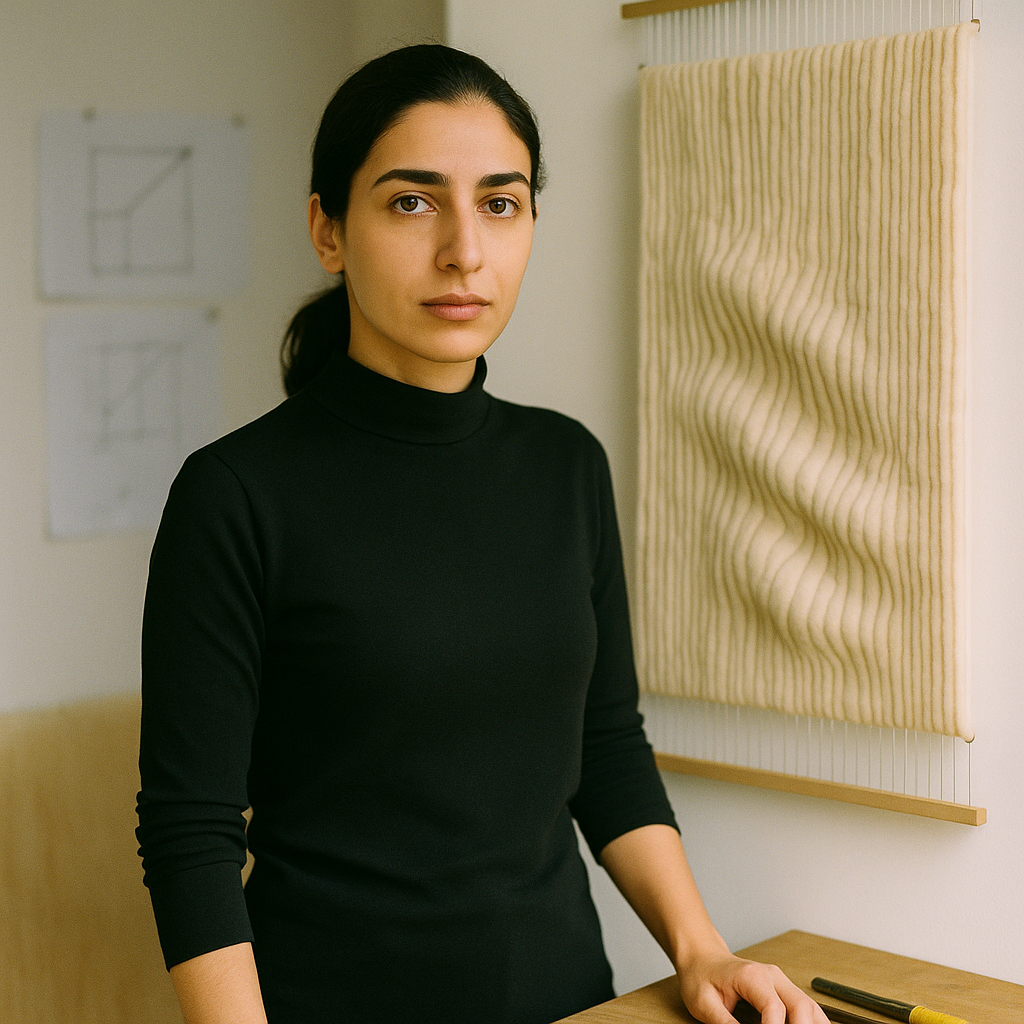
Niloofar Sadeghi
Niloofar Sadeghi trained as a structural engineer before turning to the loom — her wall pieces treat weaving as a stress test, pulling hand-dyed wool against steel thread until the surface buckles on purpose.
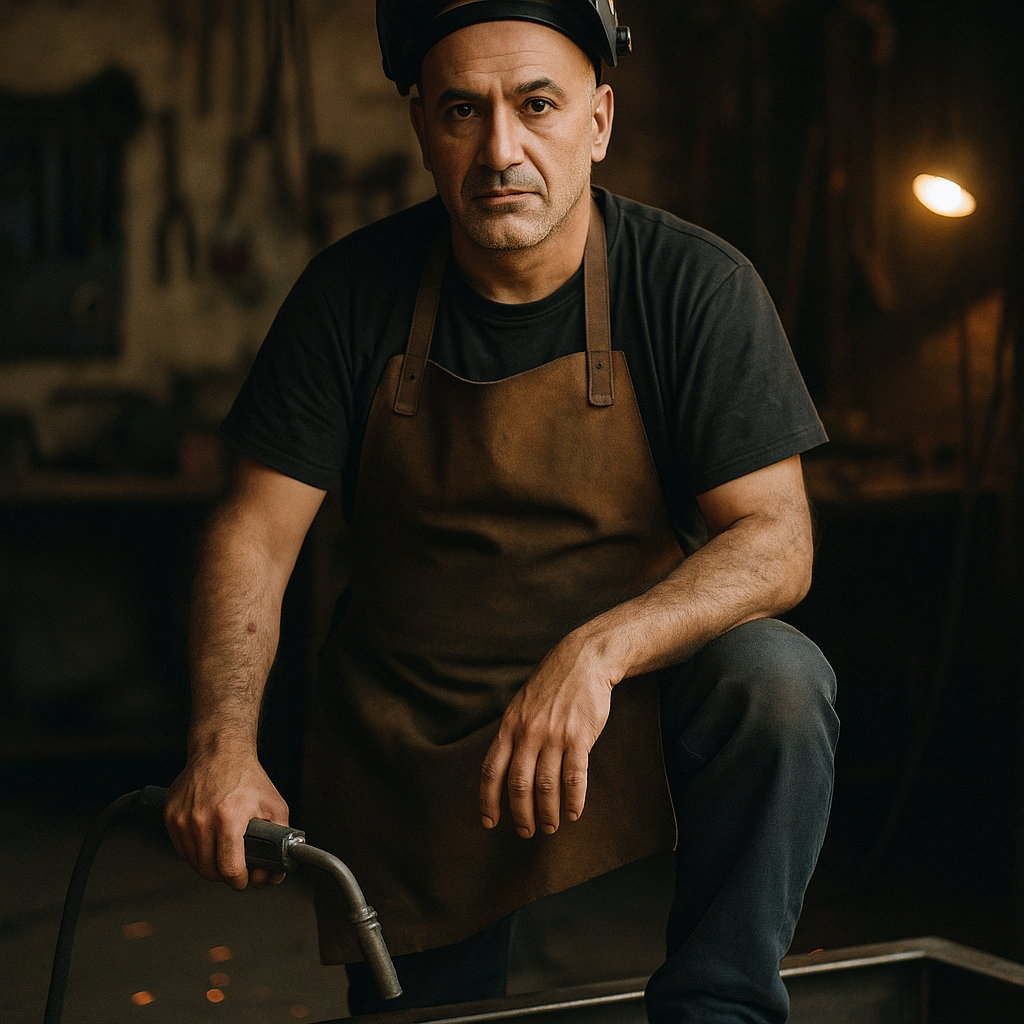
Bahman Farrokh
Bahman Farrokh welds raw steel into low, wide forms meant to be stepped over rather than looked up at — thresholds, gates, and lintels stripped of the doorways they used to belong to.
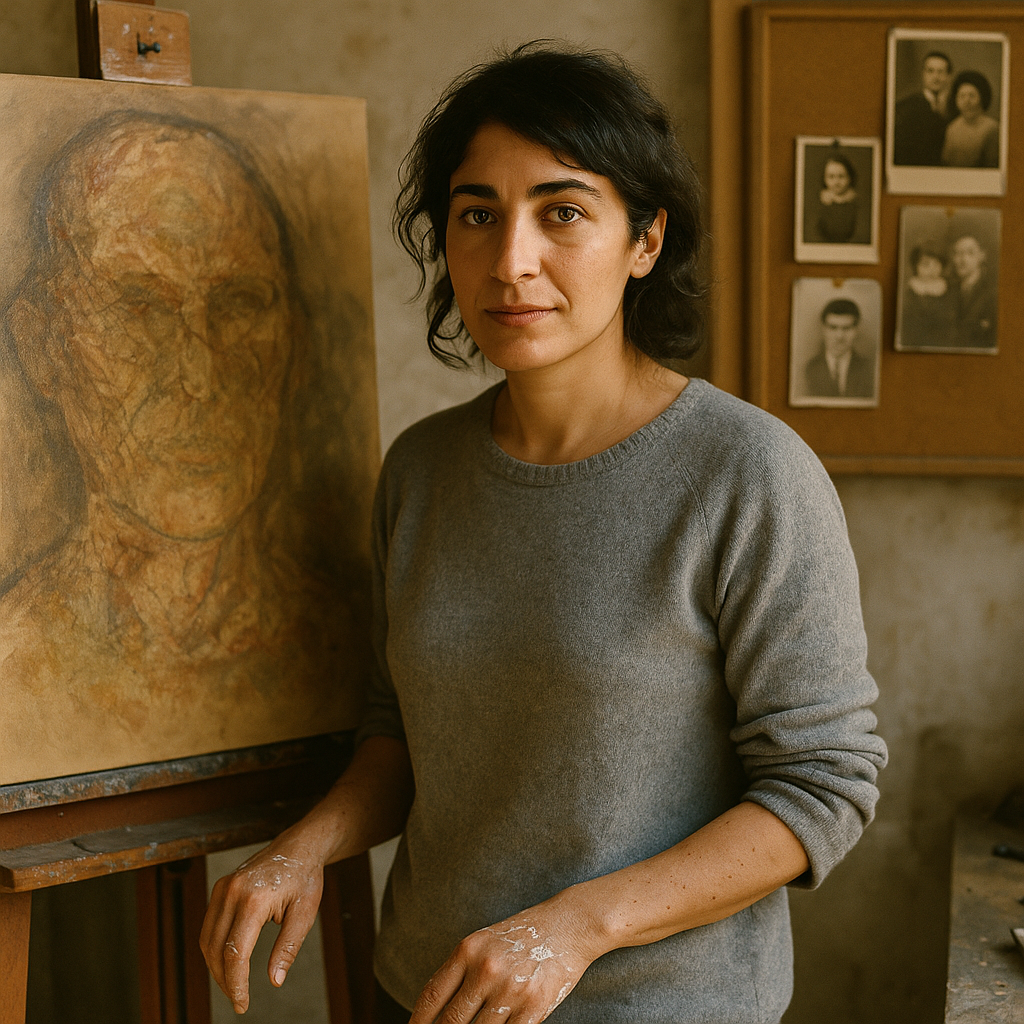
Roxana Vaziri
Roxana Vaziri paints from memory and photographs sent by relatives still in Iran — portraits that blur a single face into something closer to a map.
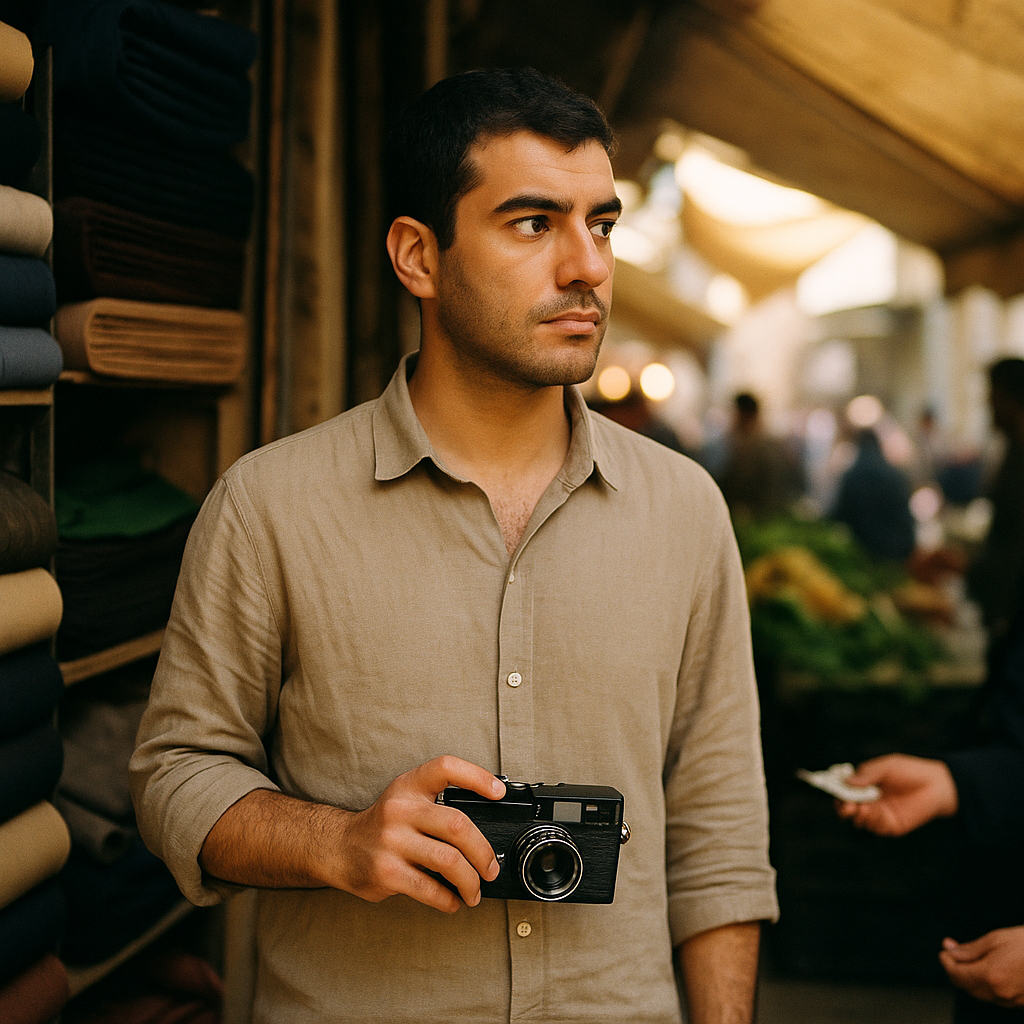
Arash Kiani
Arash Kiani documents the working markets of Shiraz at eye level — stalls, hands, transactions — resisting the postcard angle in favour of the crowded middle distance.
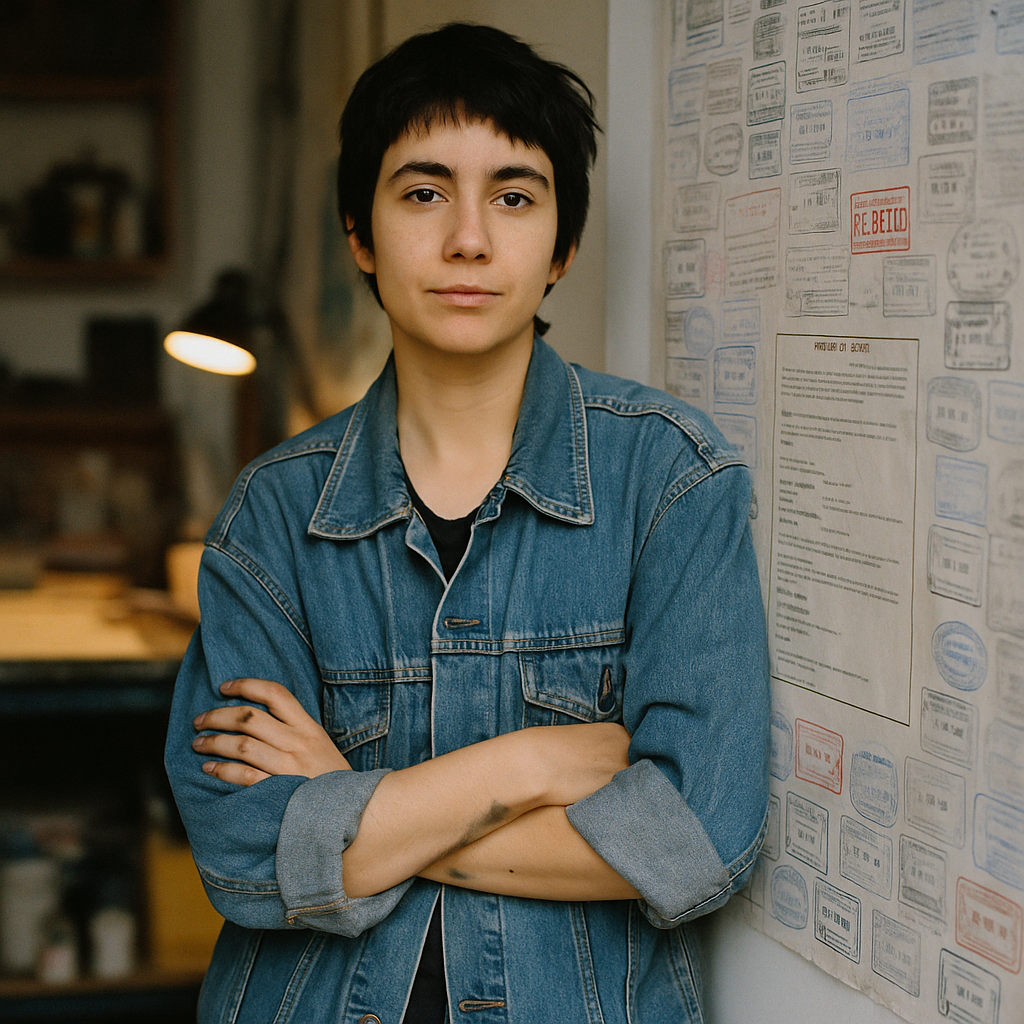
Sepideh Nourbakhsh
Sepideh Nourbakhsh collages her own visa stamps, boarding passes, and rejection letters into screenprinted compositions about bureaucratic borders and the paperwork of belonging.
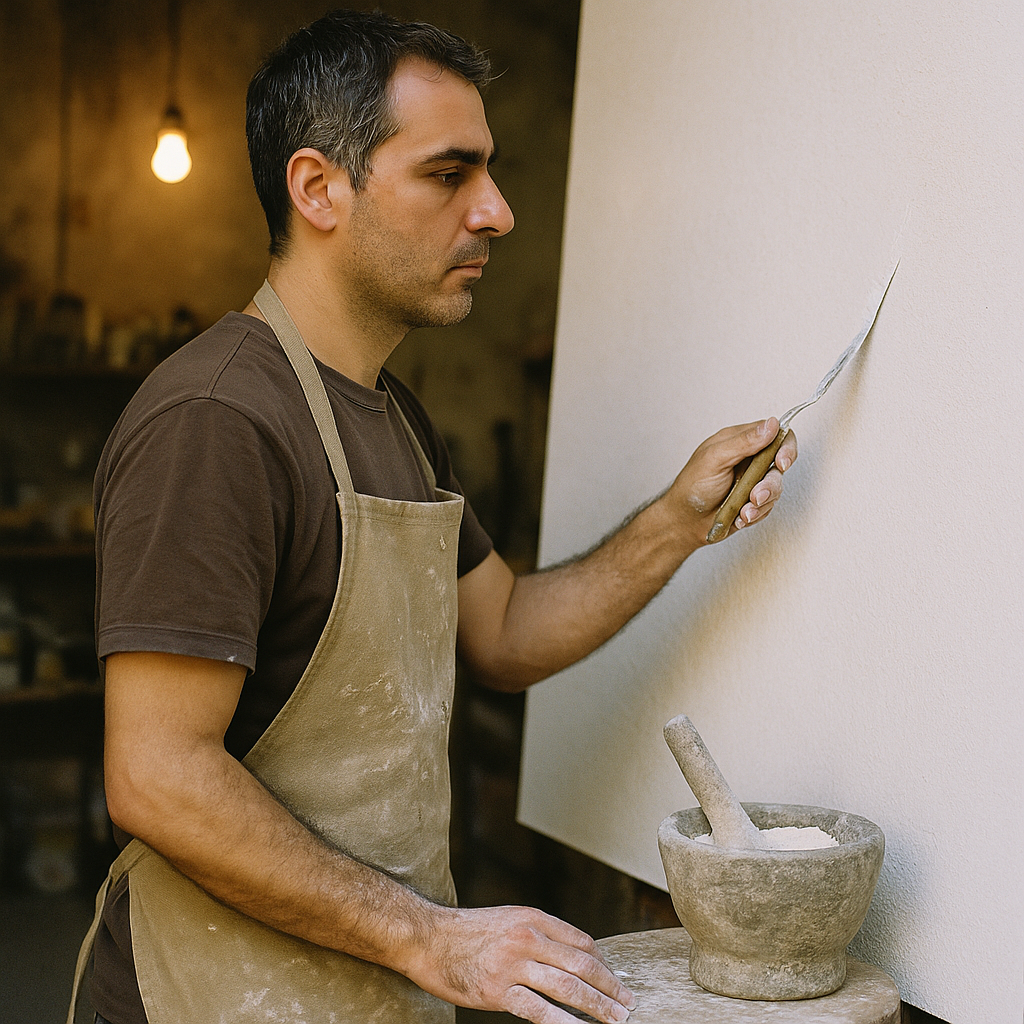
Farhad Moini
Farhad Moini mixes crushed marble dust into his paint to catch actual light the way the central Iranian salt deserts do — canvases that read as blinding white until you stand close.
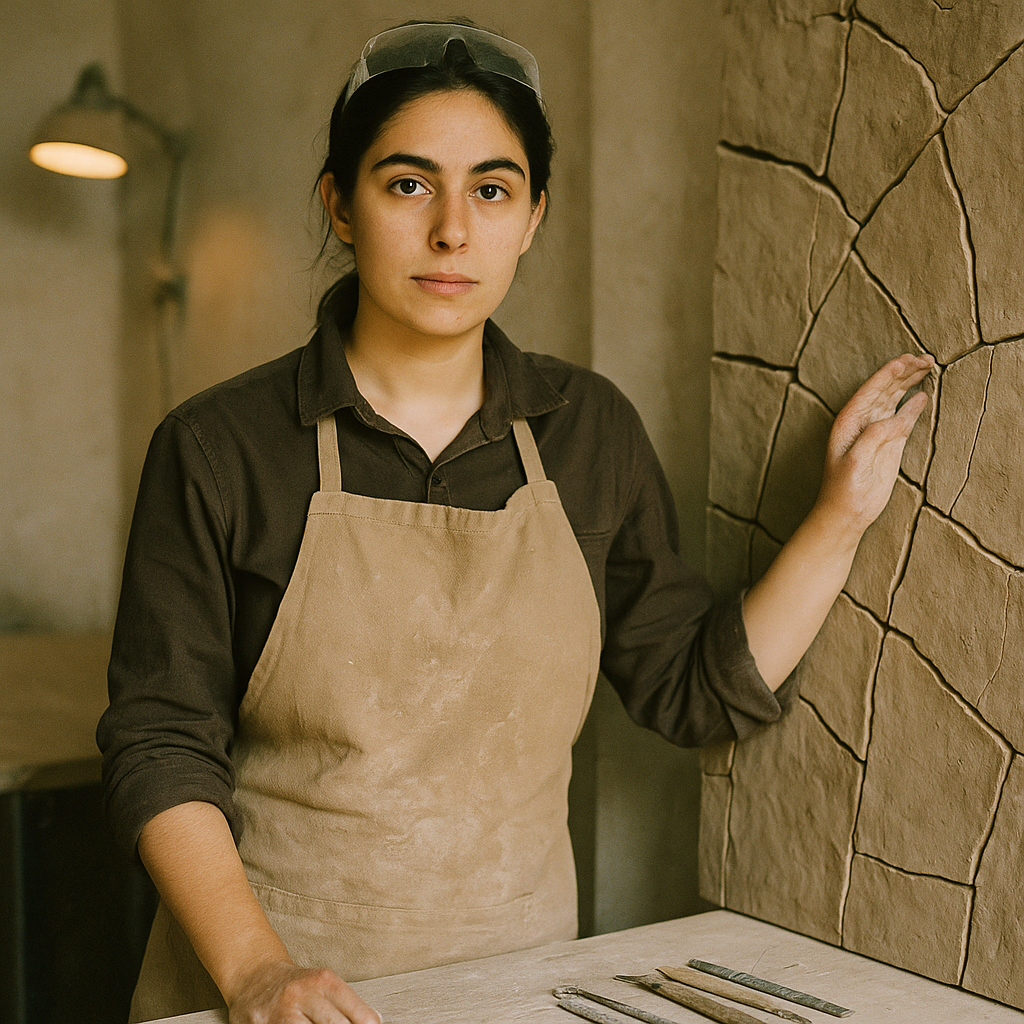
Yasaman Ghorbani
Yasaman Ghorbani fires stoneware panels until they crack along deliberately weakened seams, then reassembles them slightly offset — wall reliefs built from a controlled version of breaking.
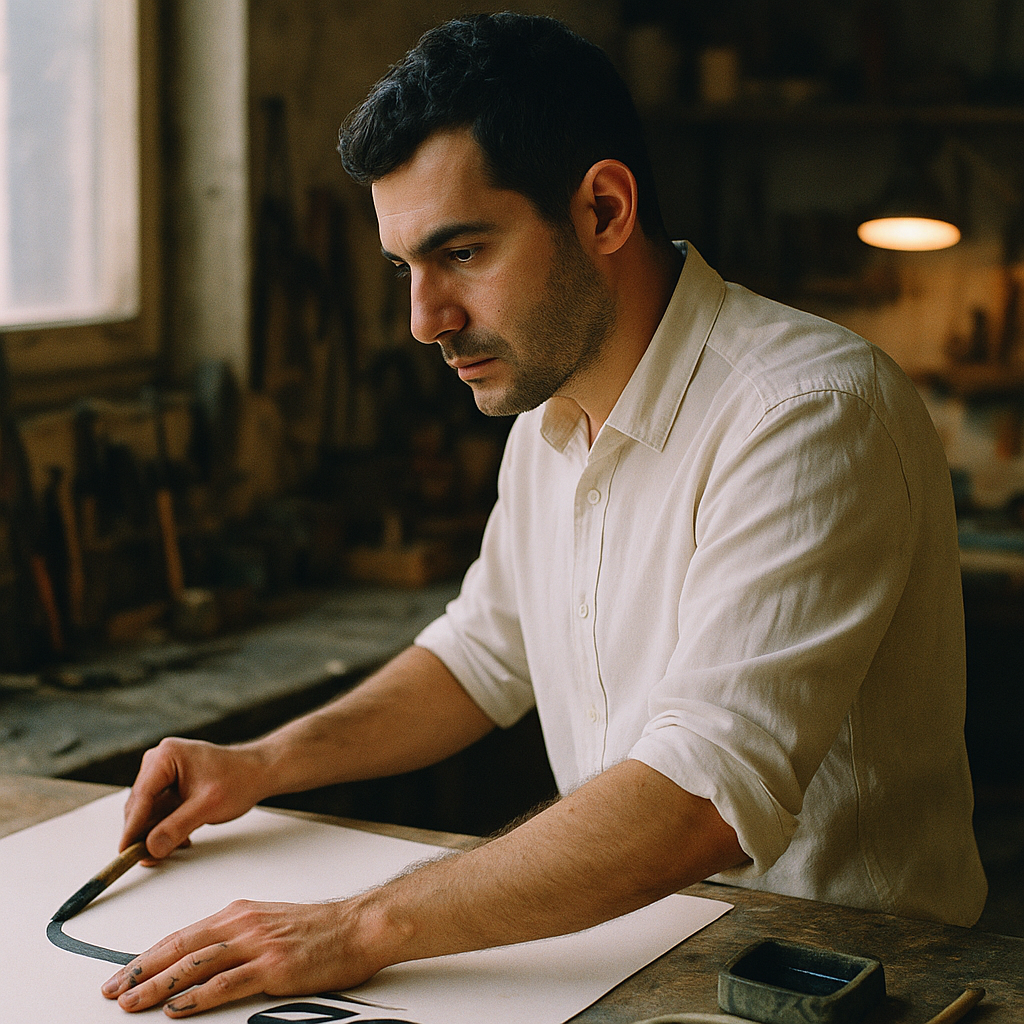
Payam Rostami
Payam Rostami trained in classical nastaliq calligraphy and now paints the GESTURE of writing with none of the letters — the arm movement of a scribe, kept, the script removed.
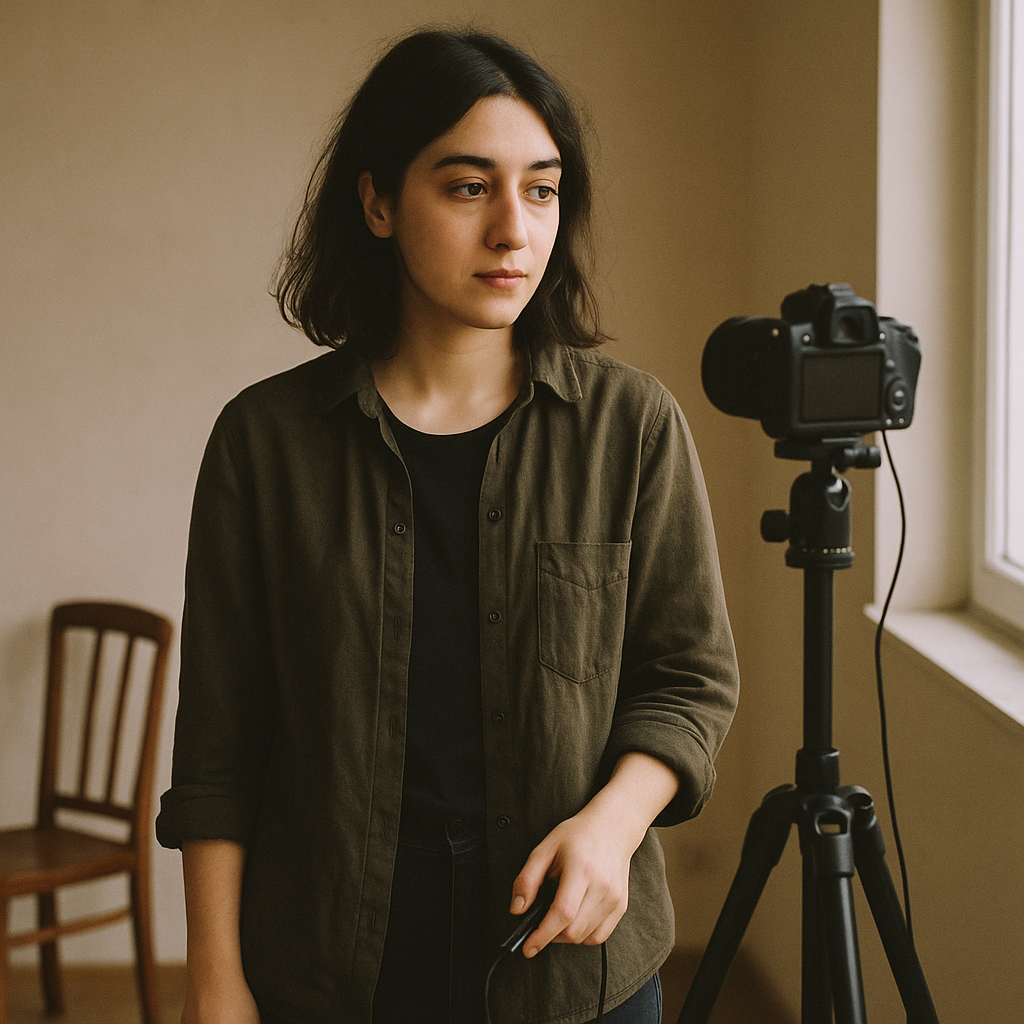
Golnaz Ahmadi
Golnaz Ahmadi stages self-portraits on a timer in rented apartments across the cities she's lived in — the same pose, repeated, in rooms that never quite become home.
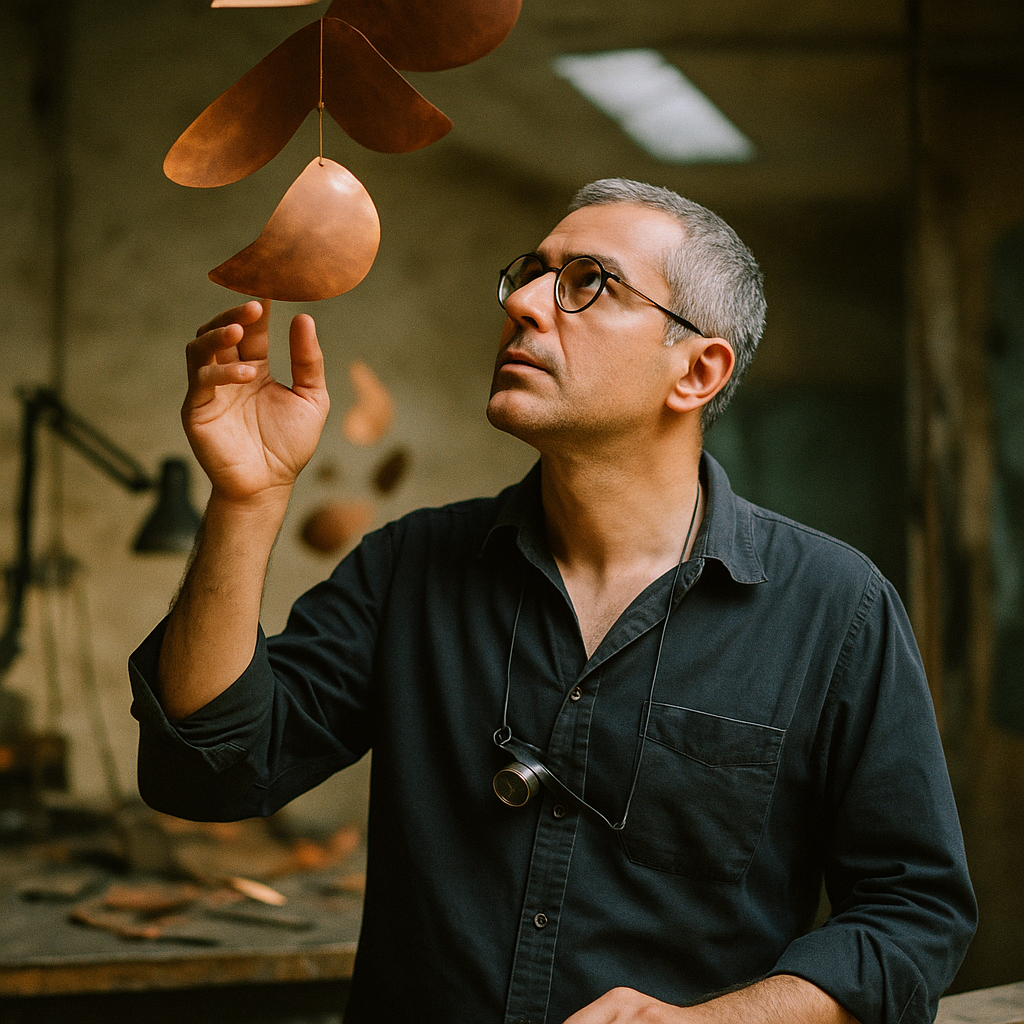
Siavash Tehrani
Siavash Tehrani builds suspended copper forms that shift when a room's air moves — sculpture engineered to never fully settle.
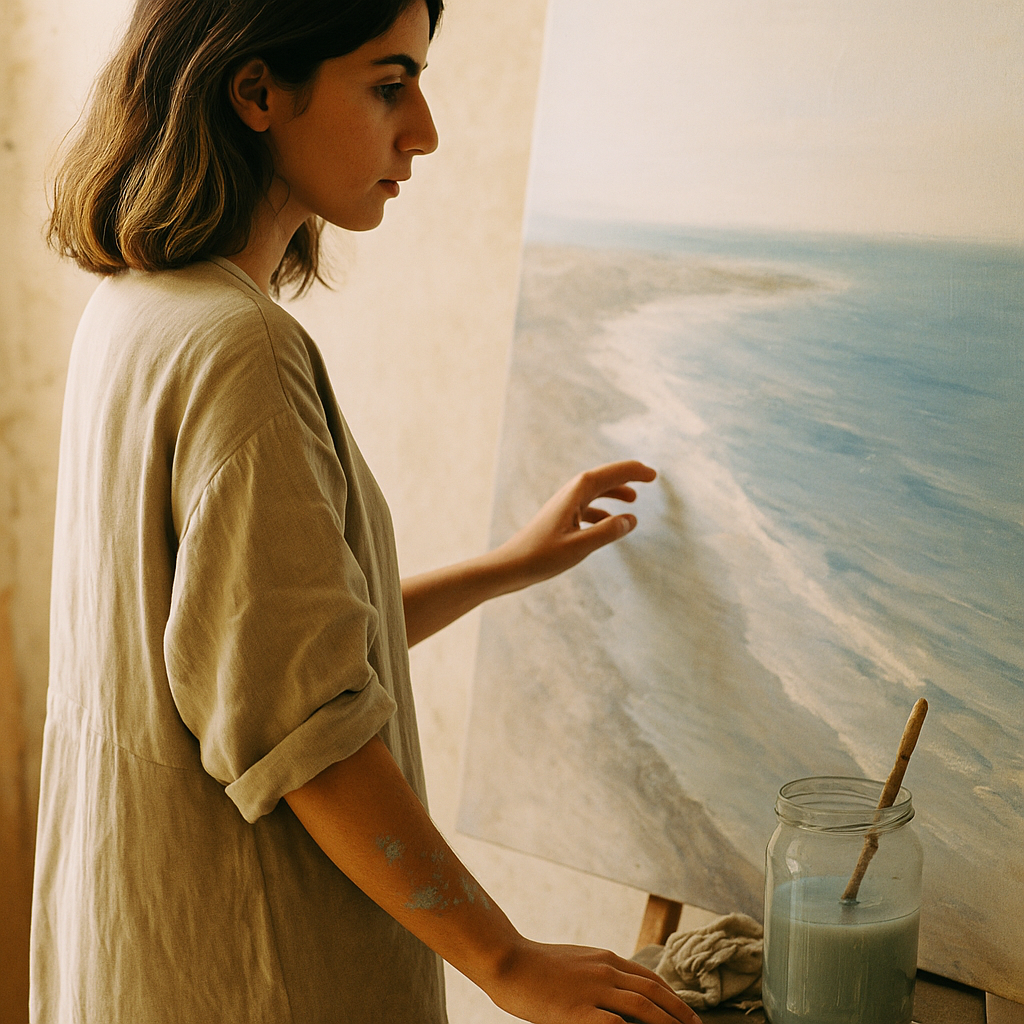
Elnaz Kamali
Elnaz Kamali paints coastlines from memory, deliberately overexposed — the way a childhood summer looks when you try to picture it fifteen years later.
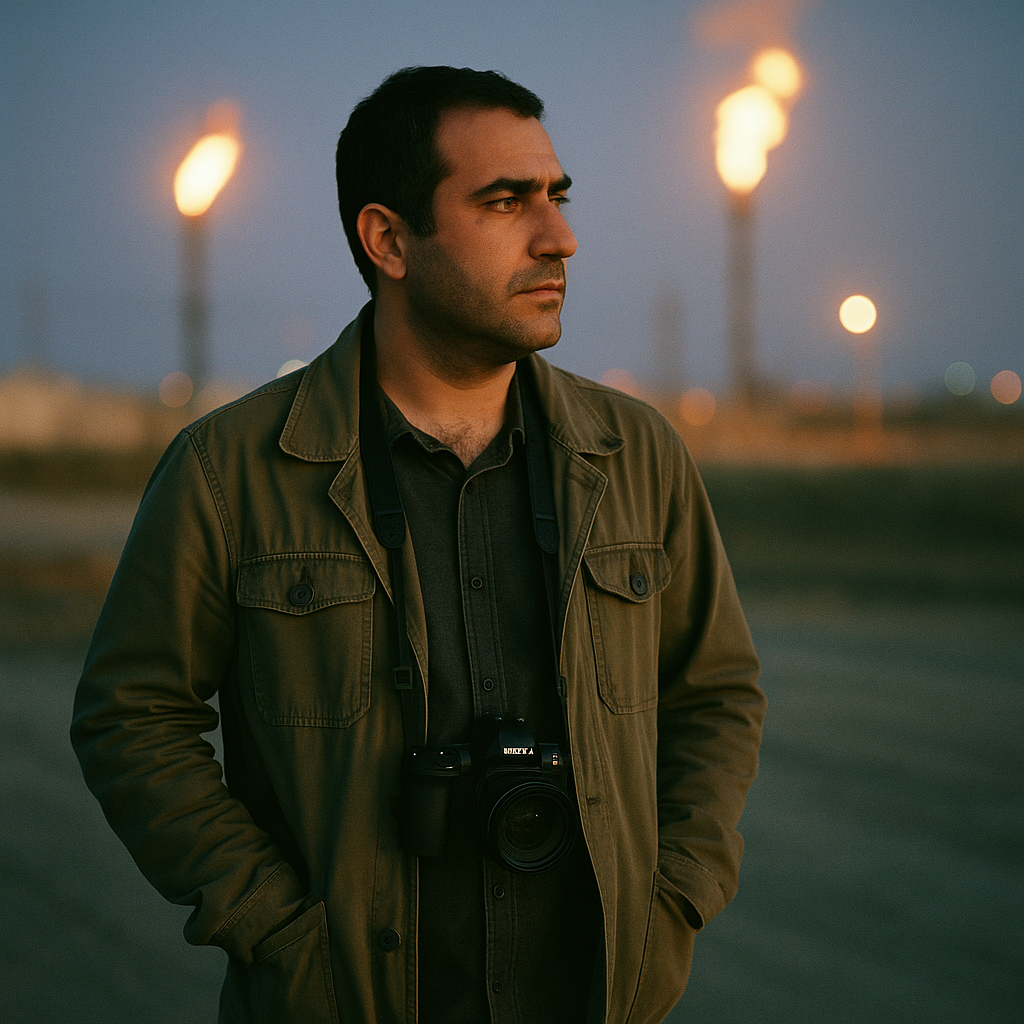
Reza Ostad
Reza Ostad photographs Iran's industrial edges at dusk, when refinery flares and streetlight compete for the same sky.
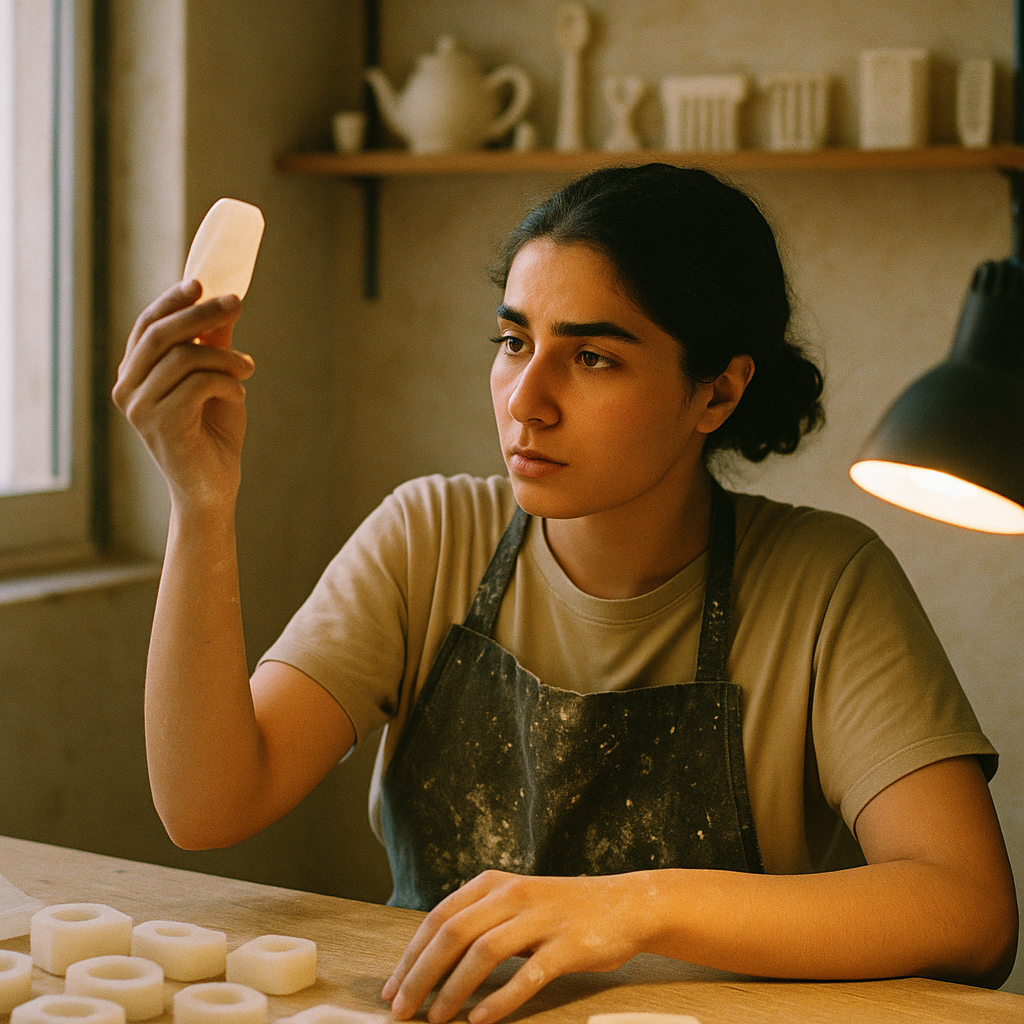
Tara Farahani
Tara Farahani casts, in resin, small household objects her family had to leave behind when they emigrated — recreated from description alone, since no photographs survived.
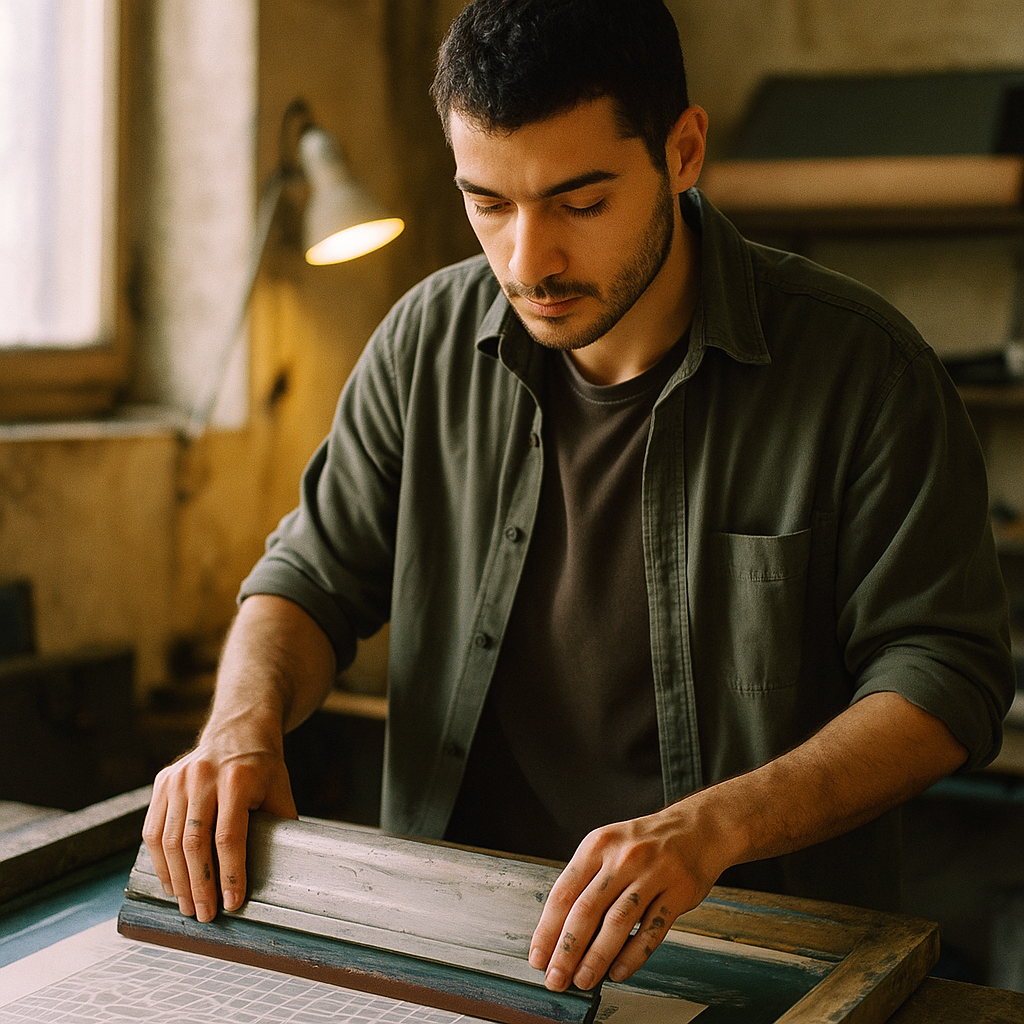
Kian Ansari
Kian Ansari screenprints imagined city plans for a Tehran that never got built the way old maps once proposed — grids over grids, streets that never met.
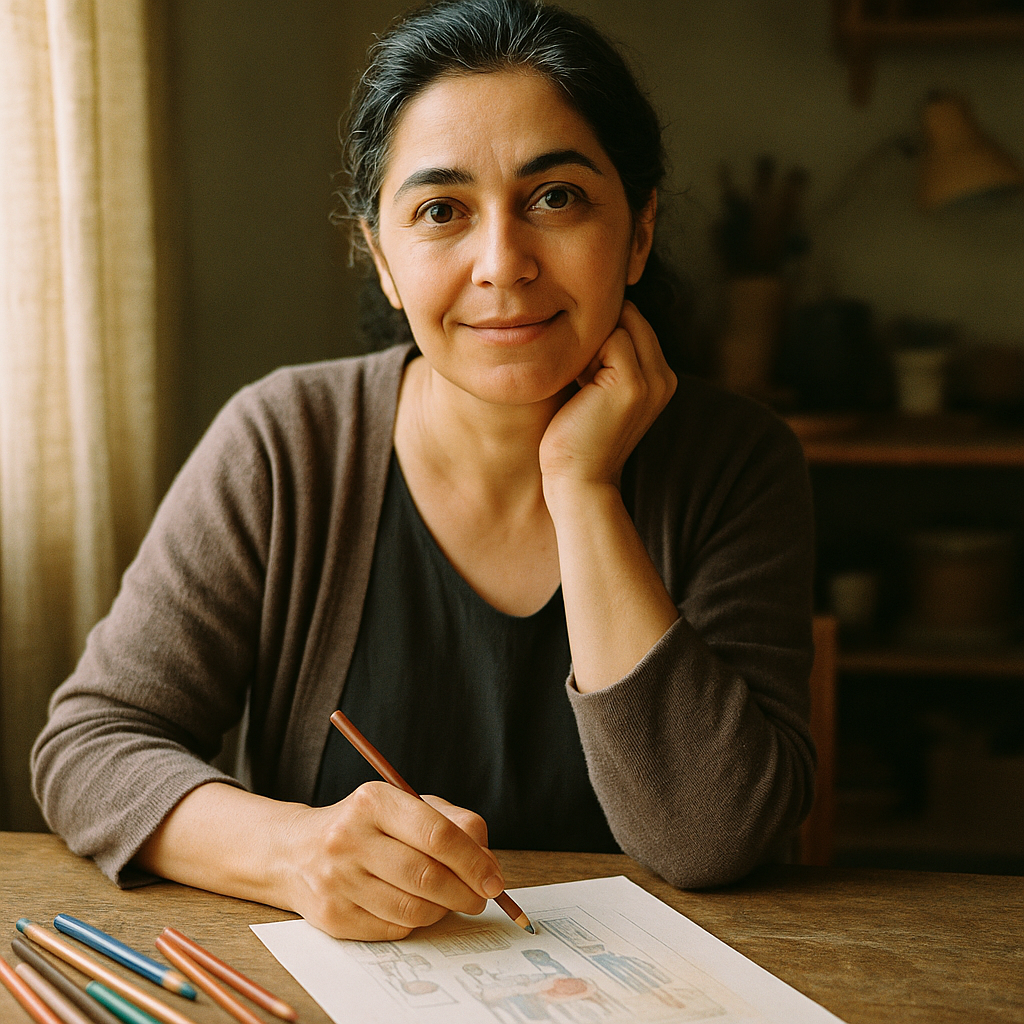
Mina Sarrafan
Mina Sarrafan draws small, quiet domestic scenes from memory — the kitchen table where three generations of her family have argued, cooked, and made up.
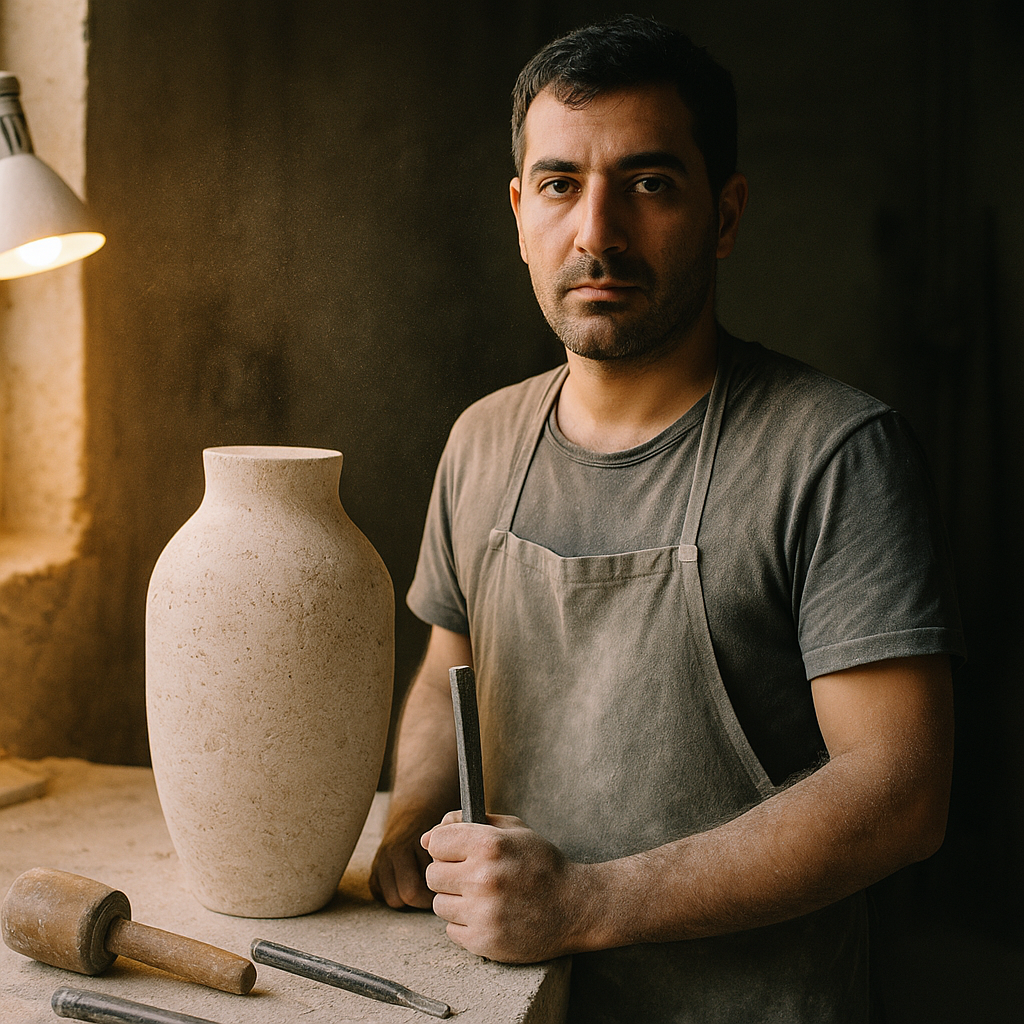
Hooman Bayat
Hooman Bayat carves travertine into vessel shapes that could never hold anything — closed, solid forms that quote the idea of a container without ever becoming one.
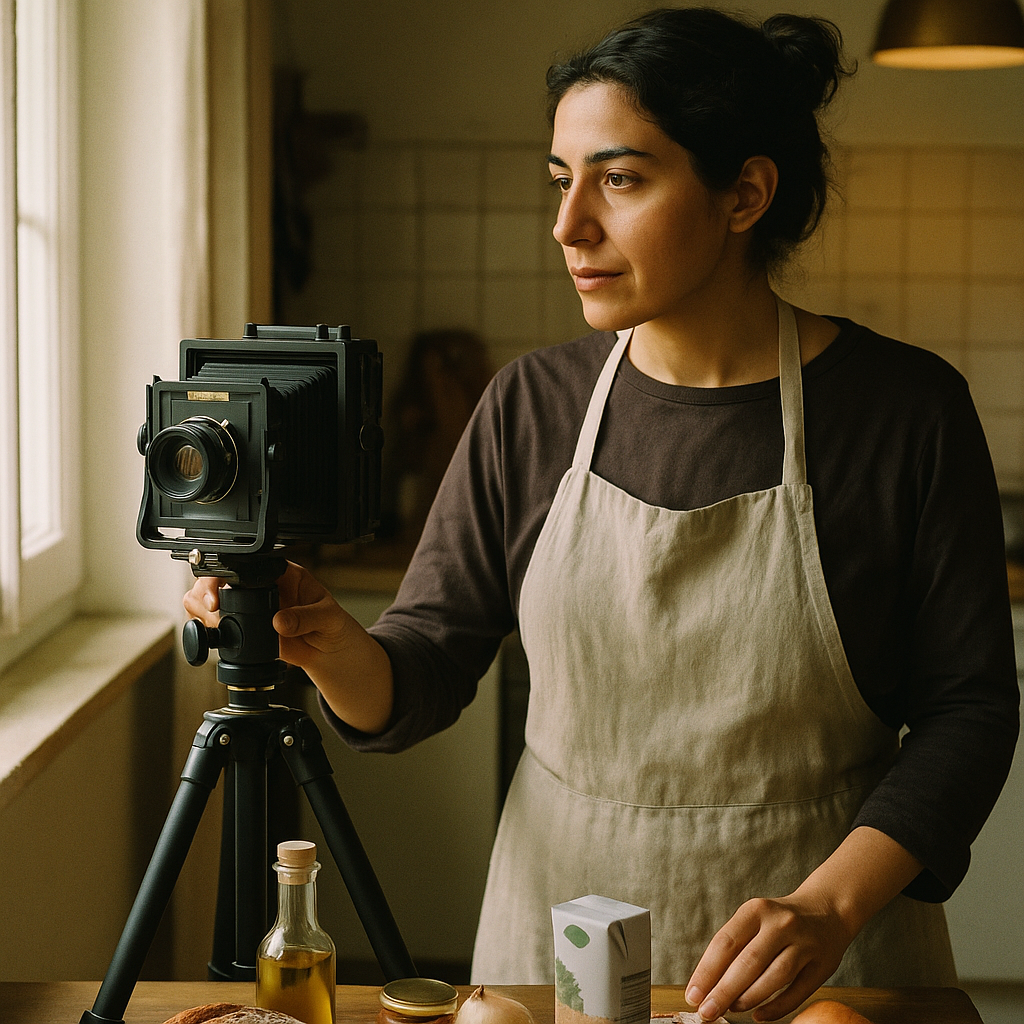
Ladan Farzin
Ladan Farzin arranges still lifes from goods that became hard or impossible to import — a photographic inventory of absence disguised as a kitchen table.
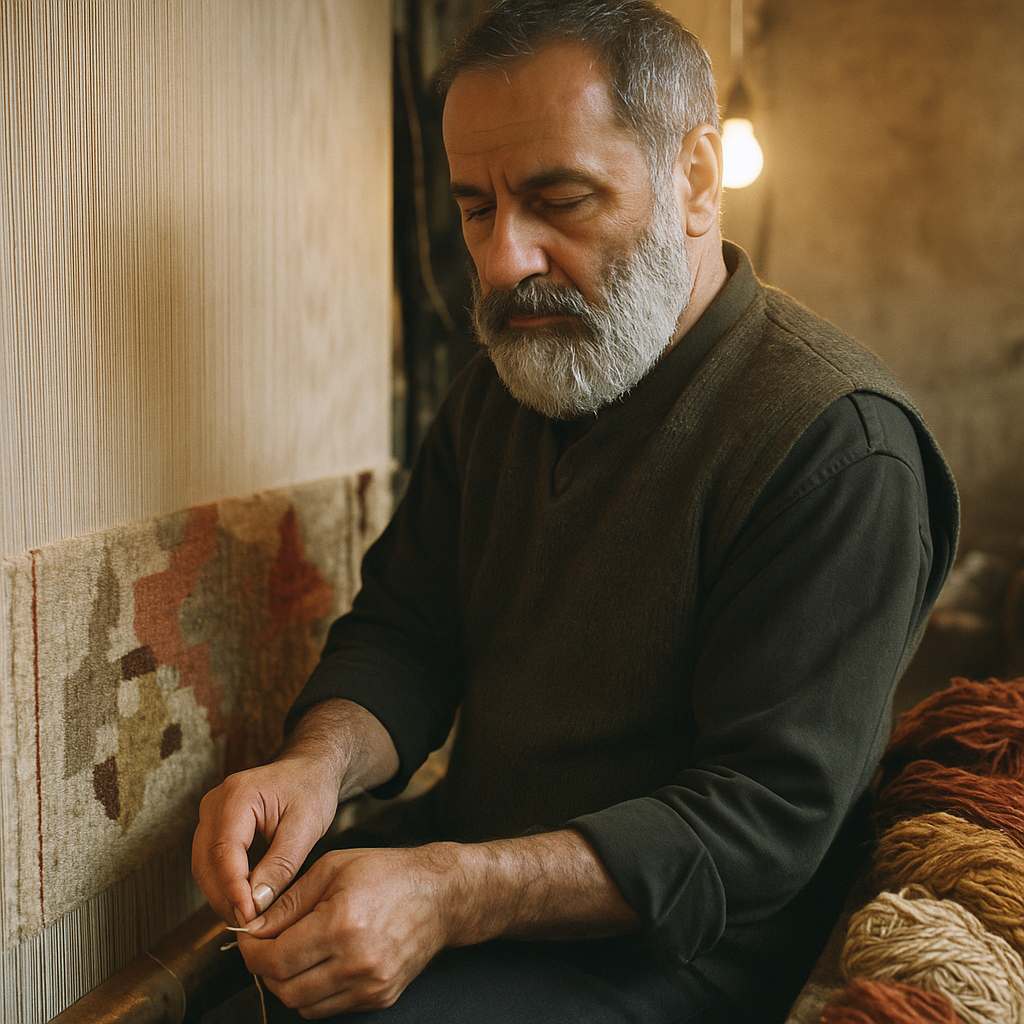
Omid Rahnama
Omid Rahnama weaves carpet-scale wall hangings using traditional Tabriz techniques but abstract, non-repeating patterns — carpets never meant to be walked on.
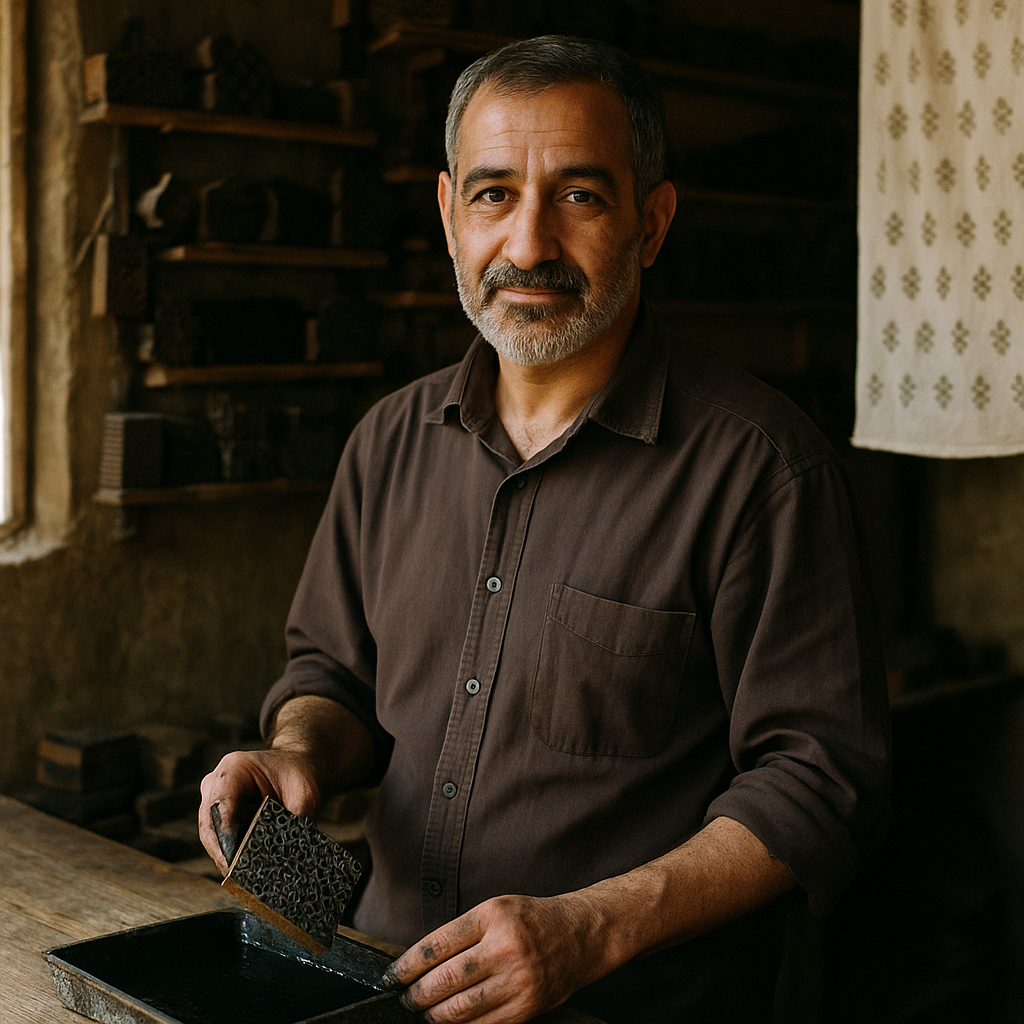
Kaveh Naqashi
Kaveh carves his own printing blocks from pear wood and hand-stamps qalamkar cotton the way his workshop has for three generations, reached and paid through a screened export partner outside Iran.
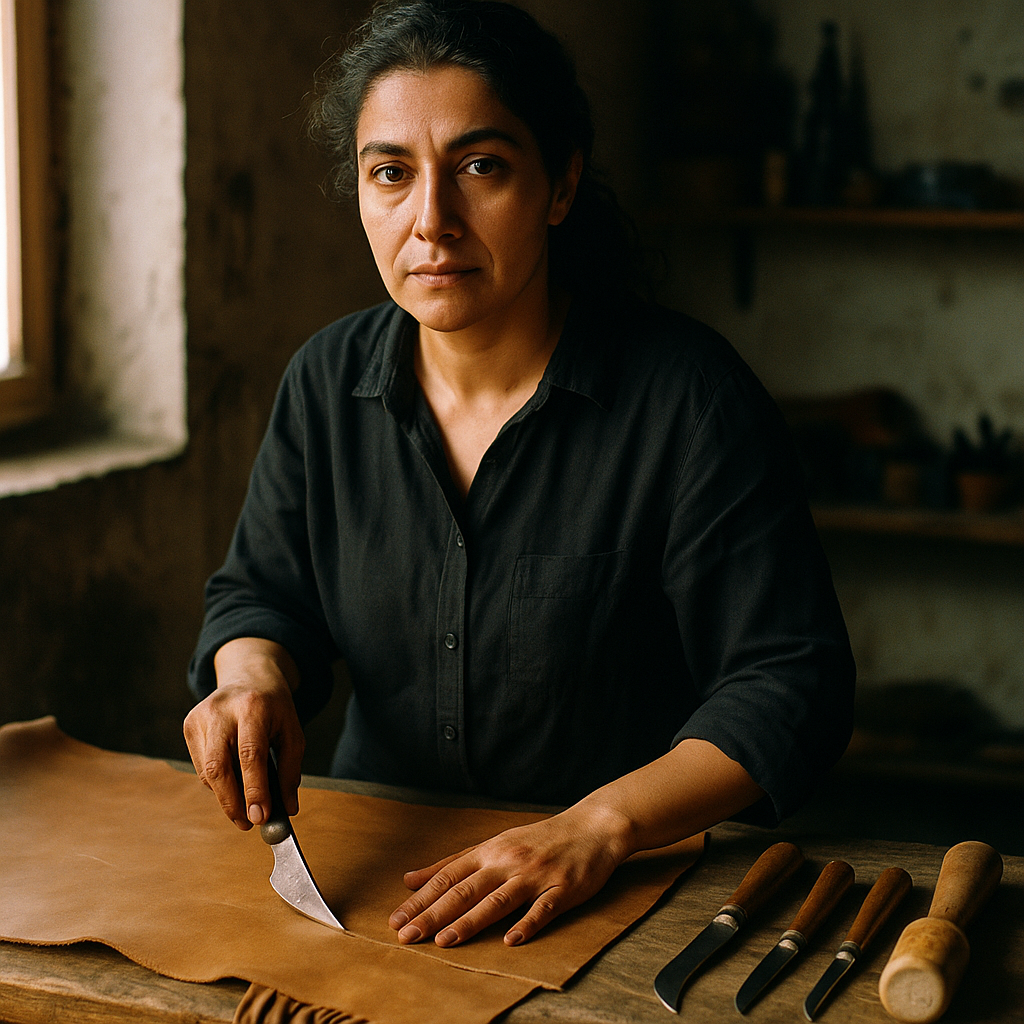
Bahar Eshraghi
Bahar tans and cuts full-grain hide in her own small workshop, hand-stitching every fringe and seam herself, reached and paid through a screened export partner outside Iran.
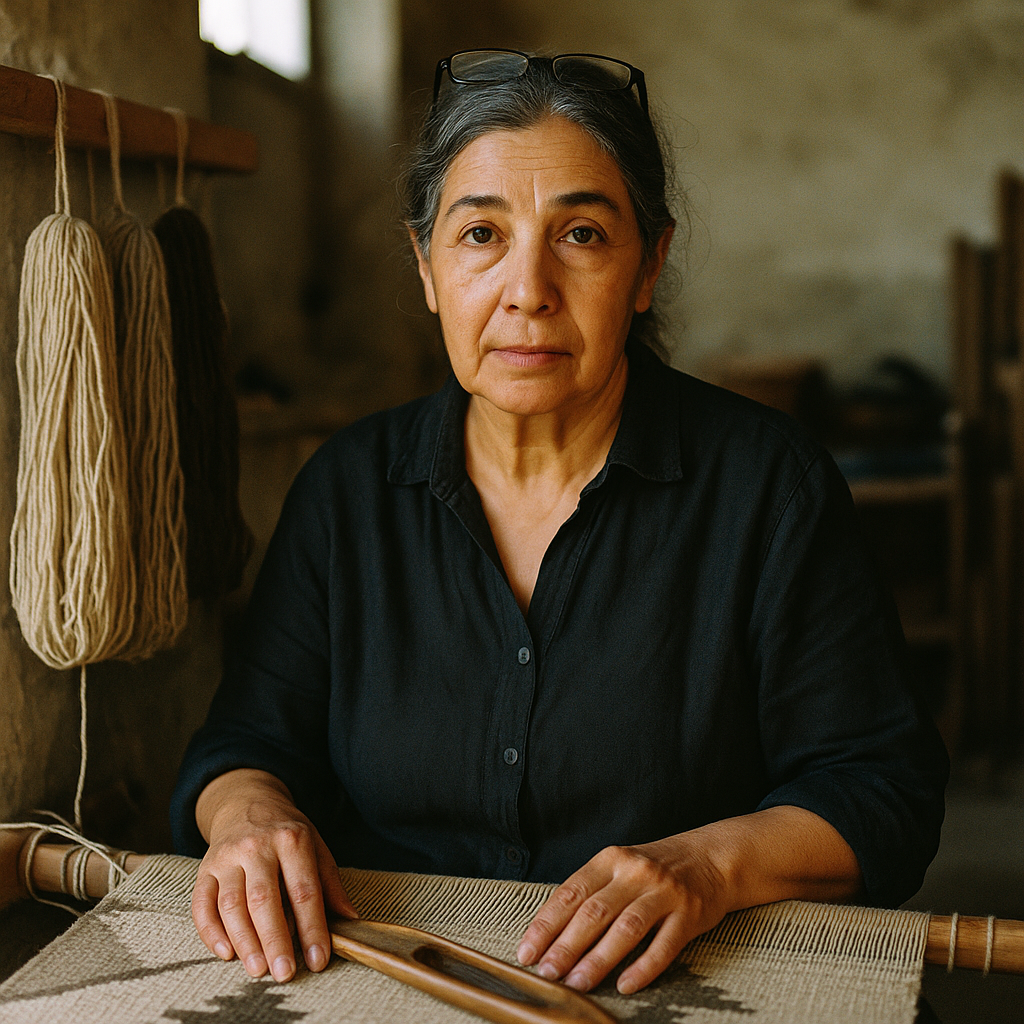
Homa Djalali
Homa weaves flat on a horizontal loom, working kilim motifs she learned as a girl into undyed and naturally dyed wool, reached and paid through a screened export partner outside Iran.
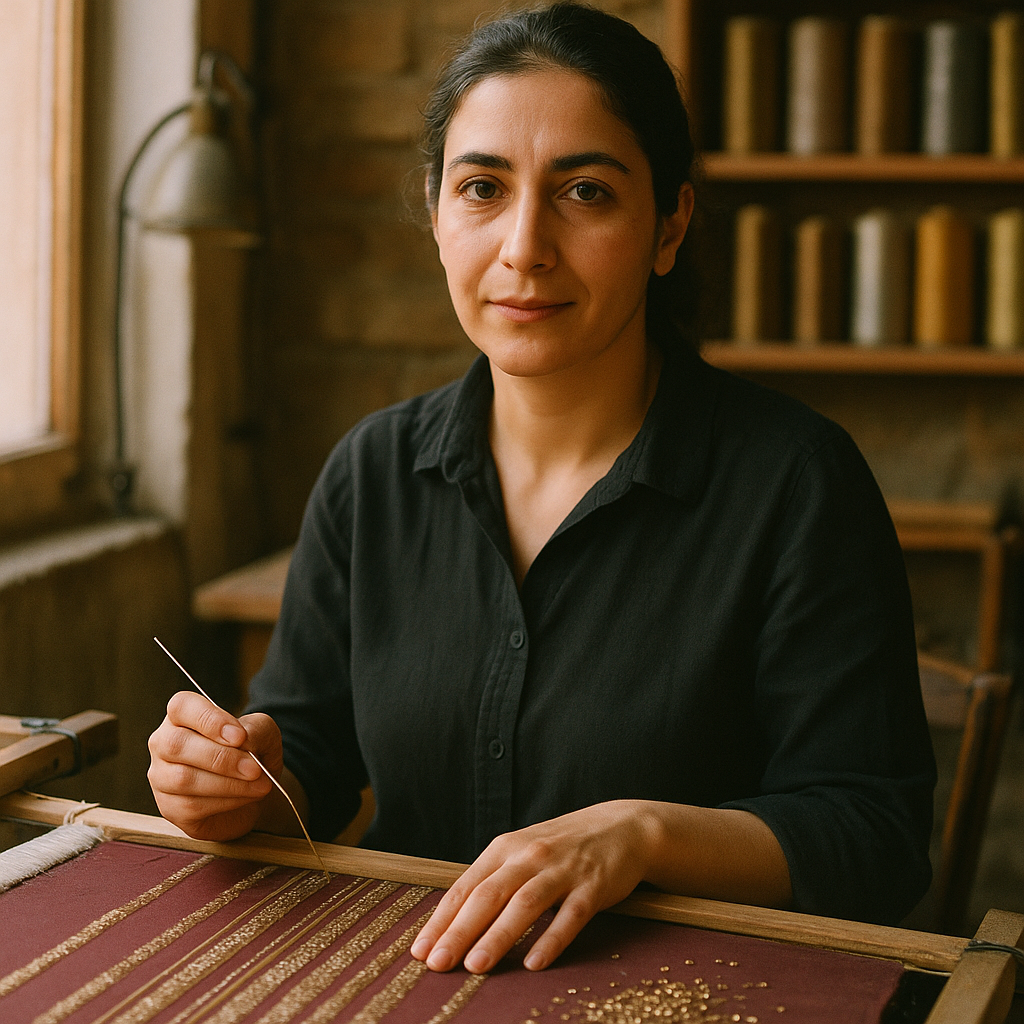
Laleh Ghasemi
Laleh trained in zardouzi — the centuries-old Persian court craft of metallic-thread and sequin embroidery, historically worked onto royal robes and ceremonial coats — in her grandmother's workshop in Rasht before turning the same needle and the same panel-by-panel construction toward a garment built for a different kind of ceremony: the desert, at night, under lights instead of chandeliers. She still stitches every sequin by hand, one thread pass at a time, the same tension and spacing zardouzi has always demanded; only the palette and the destination have changed.
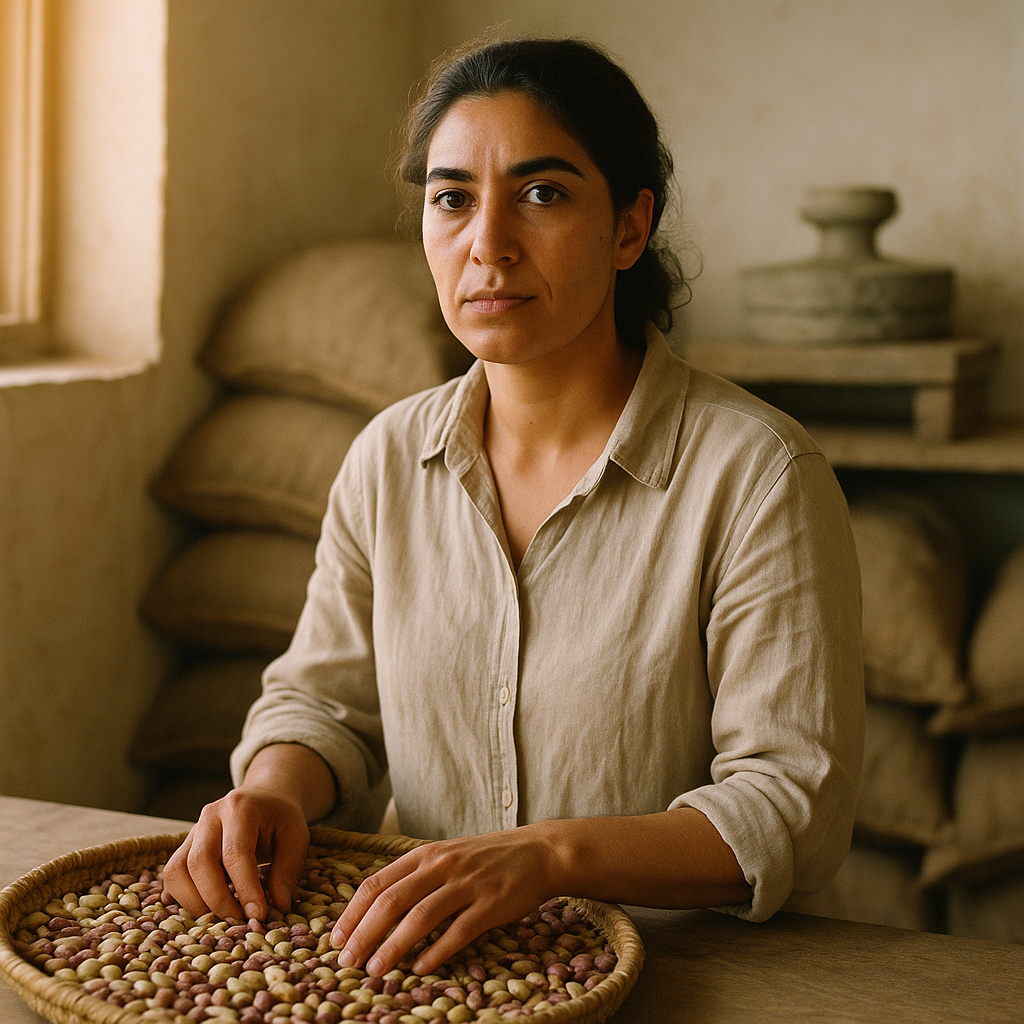
Sahar Rostami
Sahar grows pistachios on the same land outside Kerman her family has farmed for three generations, in the province that produces the finest pistachios grown anywhere. She hand-sorts every harvest for size and shell-split before any of it is roasted or ground, and stone-grinds the butter in small batches so the oil never separates and the roast never turns bitter. Her pistachios reach the EU through a certified, screened exporter.
Golsa Amini
Golsa reworks the animal figures of the Shahnameh and old Persian textile pattern books into maximalist, all-over digital prints, sublimation-dyed onto stretch fabric and sewn to order in small runs from her Berlin studio.
Parisa Kohan
Parisa translates the strip-patchwork logic of jajim — the narrow-loom weave her grandmother made blankets from — into hand-crocheted granny squares, working from her studio in Amsterdam.