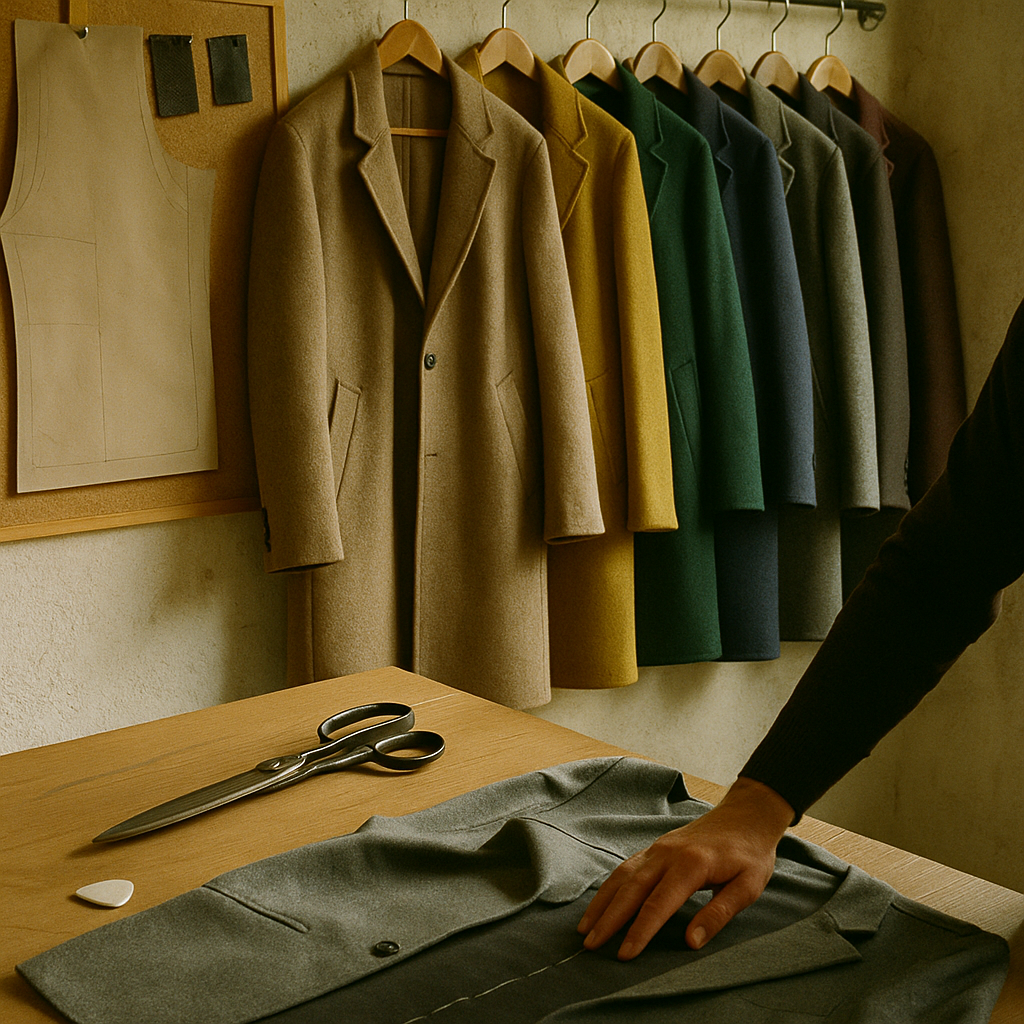
I went looking for Tehran's fashion designers and learned that most of them, officially, don't exist — they work from living rooms and private accounts, and the clothes are extraordinary.
When I set out to meet the clothing designers of Tehran, I expected studios and showrooms. Instead I found living rooms, locked Instagram accounts, and a phone number passed quietly from one friend to the next. Most of the best designers here operate, officially, in the shadows.
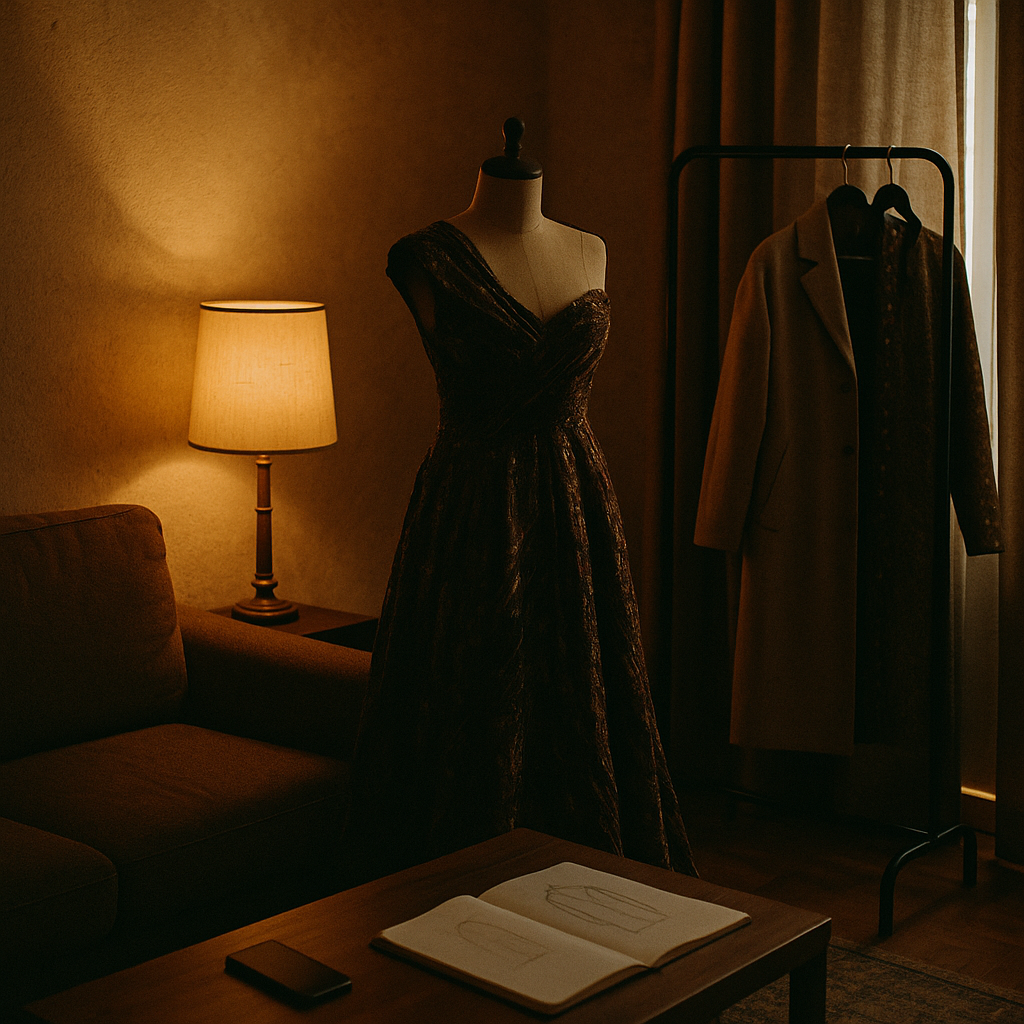
It is not a pose. The dress code is law, the fashion police are real, and a runway show in a villa outside the city can end in a raid and arrests. So designers learn to speak in code: a manteau that obeys every rule from the front and breaks your heart in the cut; an evening dress made for a private party that the street will never see.
“Take away every freedom but one, and watch how much a designer can say with a single coat.”
Some have become quietly famous for it. Labels like Foje and Vaqar built whole houses underground, designing for both worlds at once. And then there is Salar Bil — young, queer, fearless — whose layered, luxurious work has been profiled abroad and worn by musicians from Grimes to Erykah Badu, made in a city that calls it a threat.
What moved me most was not the defiance, though there is plenty of it. It was the craft. When you strip a designer of nearly every freedom and leave them one — the cut, the cloth, the single permitted garment — what comes back is more inventive than anything I have seen in cities where everything is allowed.
It changed how I think about our own line. Constraint, in the right hands, is not a cage. It is a discipline that forces every decision to count, and you can feel that pressure in the finished piece — nothing wasted, nothing arbitrary.
So when we choose clothes for the house, we are not just buying a coat. We are carrying a little of that coded, courageous Tehran out into a world that gets to wear it freely — and, I hope, paying its makers what their nerve and their skill are worth.